
Hardwood Floor Restoration in Western North Carolina: Complete Service Guide
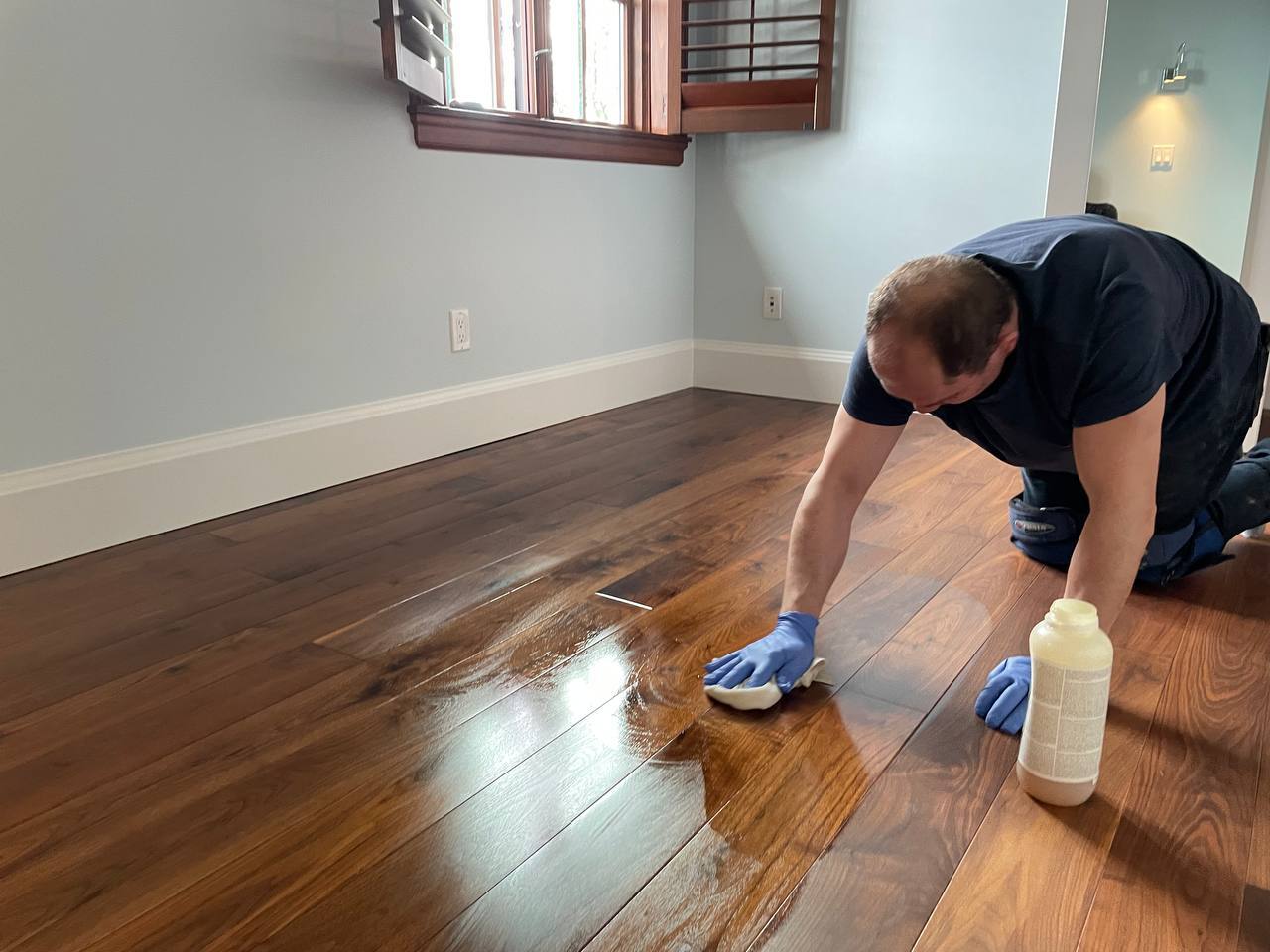
When your hardwood floors show decades of wear, choosing between refinishing and full restoration makes all the difference. Many homeowners discover their floors need more than a simple sanding and staining job. At Leicester Flooring, we’ve spent five decades restoring everything from 1920s craftsman bungalows in Asheville to mountain cabins throughout Western North Carolina. The region’s unique climate conditions create specific challenges that require specialized restoration approaches.
Understanding the Difference: Refinishing vs. Restoration
Hardwood floor refinishing handles surface-level wear through sanding and recoating. You’ll see contractors recommend this approach when your floors look dull or show light scratches but remain structurally sound. The process takes about three to five days and costs between $3 and $8 per square foot for most installations.
Western North Carolina’s humidity variations create unique challenges. Floors in mountain homes often expand and contract more than those in climate-controlled environments, leading to cupping, crowning, and gaps that require restoration rather than simple refinishing. The seasonal temperature swings between valley floors and higher elevations mean moisture management plays a critical role in any restoration project.
Common Damage Types We Address
Scratches and Surface Damage
Pet damage ranks among the most common issues we see in Asheville homes. Dogs’ nails create surface scratches that usually respond well to sanding and refinishing. Deeper gouges where pets dug at doorways or repeatedly scratched the same area require wood filler application before refinishing. For pet-friendly flooring solutions, we recommend evaluating your existing floors before considering replacement.
Furniture legs leave indentations that show up most clearly in softer hardwoods like pine. We assess whether these dents affect enough of the floor’s surface to warrant restoration or if strategic furniture placement after refinishing makes more sense. High-traffic areas like hallways and entryways show concentrated wear patterns that benefit from targeted repair.
Water Damage and Moisture Issues
Water damage shows up in several forms across Western North Carolina. Slow leaks from appliances create dark staining and board cupping where moisture absorbs into the wood grain over months. Sudden flooding events cause immediate swelling and board separation that requires complete replacement of affected sections.
Humidity-related damage looks different from direct water exposure. Boards in poorly ventilated basement installations show consistent cupping across large areas as moisture rises from below. Mountain properties experience seasonal expansion and contraction that creates gaps during winter months when indoor heating reduces relative humidity.
Structural and Installation Issues
Squeaky floors signal movement between the hardwood surface and the subfloor below. Original installations using inadequate fastening or subfloor preparation create these problems decades later. We identify whether the issue stems from loose boards, deteriorated adhesive, or subfloor deflection before recommending repairs.
Gaps between boards occur naturally with seasonal changes in Western North Carolina, but excessive separation indicates installation problems. Boards installed without proper acclimation or inadequate expansion space pull apart as environmental conditions shift. Historic homes often show gaps where original wide-plank flooring dried out over a century of seasonal cycles.
Matching Existing Hardwood With New Boards
Finding replacement boards that match 50-year-old oak flooring requires more than visiting a lumber yard. Wood ages and changes color over decades of exposure to light and foot traffic. The red oak installed in 1970 looks noticeably different from today’s red oak, even when sourced from the same species.
Engineered hardwood provides matching options that solid wood can’t offer. Manufacturers produce consistent batches that exactly match previous orders, years later. For partial room restorations where the entire floor isn’t being refinished, engineered products offer color consistency traditional hardwood can’t guarantee.
Historical Hardwood Restoration in Asheville
Asheville’s craftsman bungalows and historic downtown buildings contain hardwood installations worth preserving. These floors tell stories about local timber mills, regional wood species, and craftsmanship techniques from the early 20th century. We approach historical restoration differently from modern floor repairs.
Maintaining original floor layouts preserves architectural value. Some historic homes feature bordered designs, diagonal installations, or mixed wood species that create patterns across rooms. We document these layouts before restoration begins and recreate them exactly during board replacement.
Subfloor and Structural Repair Services
Surface hardwood represents only half of a functional floor system. The subfloor beneath provides structural support and determines whether your finished floor will squeak, bounce, or remain solid for another 50 years. Most homes built before 1980 use dimensional lumber subfloors that have spent decades absorbing moisture and drying out with seasonal changes.
Termite damage in floor joists creates serious structural concerns that must be addressed before any hardwood restoration. We work with structural engineers on properties where pest damage compromises floor systems. These repairs fall outside typical hardwood restoration, but become necessary before we can guarantee our work.
Service Coverage Throughout Western North Carolina
Leicester Flooring maintains two showroom locations serving Asheville and Hendersonville with installation teams covering Buncombe County and surrounding mountain communities. Our service area extends from Black Mountain to Brevard, including properties at elevations where climate conditions create unique restoration challenges.
Remote properties sometimes present access challenges that affect project timelines and pricing. Getting materials and equipment to a cabin at the end of a gravel road requires planning that suburban installations don’t. We assess site access during initial consultations and provide realistic timelines that account for these logistical realities.
Western North Carolina’s diverse climate zones mean restoration approaches that work in Hendersonville may not suit properties in higher mountain areas. Our experience across this region helps us recommend appropriate solutions based on your specific location and elevation.
Our 50-Year Expertise in Complex Projects
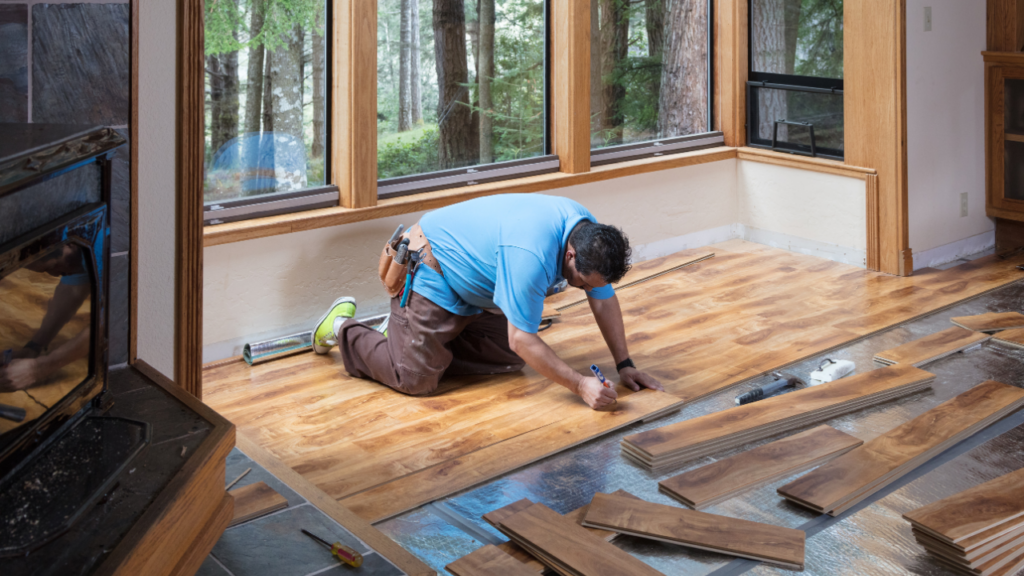
Leicester Flooring began as Leicester Carpet in 1971 when J.B. and Alma Snelson opened their first showroom. Five decades of working with Western North Carolina homeowners taught us which restoration approaches survive mountain climate conditions and which fail within years. We’ve seen flooring trends come and go, but the fundamentals of proper restoration work remain constant.
Our installer team includes craftsmen who’ve worked with us for 15 to 20 years. They know how hardwood performs in Asheville’s humidity, understand period construction methods in historic homes, and can troubleshoot problems that surprise less experienced contractors. This institutional knowledge makes a difference when unexpected issues appear mid-project.
Complex projects like historical home restoration require coordination between multiple trades. We work alongside structural engineers, HVAC contractors who address moisture issues, and historic preservation specialists to ensure every aspect of floor restoration supports long-term success. These collaborative relationships developed over decades in Western North Carolina’s restoration community.
Lifetime Installation Warranty
Leicester Flooring stands behind restoration work with a lifetime installation warranty that covers workmanship for as long as you own your home. This warranty reflects confidence in our installation methods and the quality of materials we specify. Many flooring companies offer limited warranties that expire after a few years, but we believe properly executed restoration work should last decades.
The warranty doesn’t cover damage from neglect, flooding, or environmental conditions beyond normal residential use. We provide maintenance guidelines with every restoration project that explain how to protect your investment. Following these recommendations ensures your floors look beautiful for decades while maintaining full warranty coverage.
American-Made Materials and Local Craftsmanship
Leicester Flooring exclusively installs American-made hardwood flooring from manufacturers based in the United States. This commitment to domestic production means we’re supporting American workers while providing products engineered for North American climate conditions. Shaw hardwood, manufactured in Georgia and Tennessee, undergoes testing specifically for Southeastern humidity levels.
American manufacturers maintain quality standards that imported products often can’t match. Domestic lumber processing follows USDA Forest Service guidelines for sustainable harvesting, ensures proper kiln-drying for regional climate zones, and provides traceable material origins. We explain these differences to homeowners who wonder about the cost premium American-made products carry compared to imports.
Why Professional Restoration Matters
DIY hardwood refinishing videos on YouTube make the process look simpler than reality. Renting a drum sander and attempting restoration yourself risks permanent damage to floors that could have been saved with professional equipment and expertise. We’ve repaired countless floors where homeowners created waves, gouges, or uneven surfaces by attempting refinishing without proper training.
Stain application requires understanding how different wood species and grain patterns absorb color. The same stain formula looks dramatically different on red oak versus white oak, and applying it correctly means achieving consistent color without overlap marks or patchy areas. We test stains on sample boards before application and adjust formulas based on your specific wood species and desired appearance.
Cost Factors in Hardwood Floor Restoration
Hardwood floor restoration costs vary based on damage extent, room size, and repair complexity. Basic refinishing of structurally sound floors runs $3 to $8 per square foot in Western North Carolina. Comprehensive restoration projects involving board replacement, subfloor repair, and extensive damage correction cost $12 to $25 per square foot, depending on materials and labor intensity.
Project accessibility affects pricing in mountain areas. Properties requiring specialized equipment transport or limited by narrow roads and steep driveways include mobilization charges that suburban installations avoid. We provide detailed estimates that account for these site-specific factors rather than surprising clients with unexpected costs mid-project.
Maintenance After Restoration
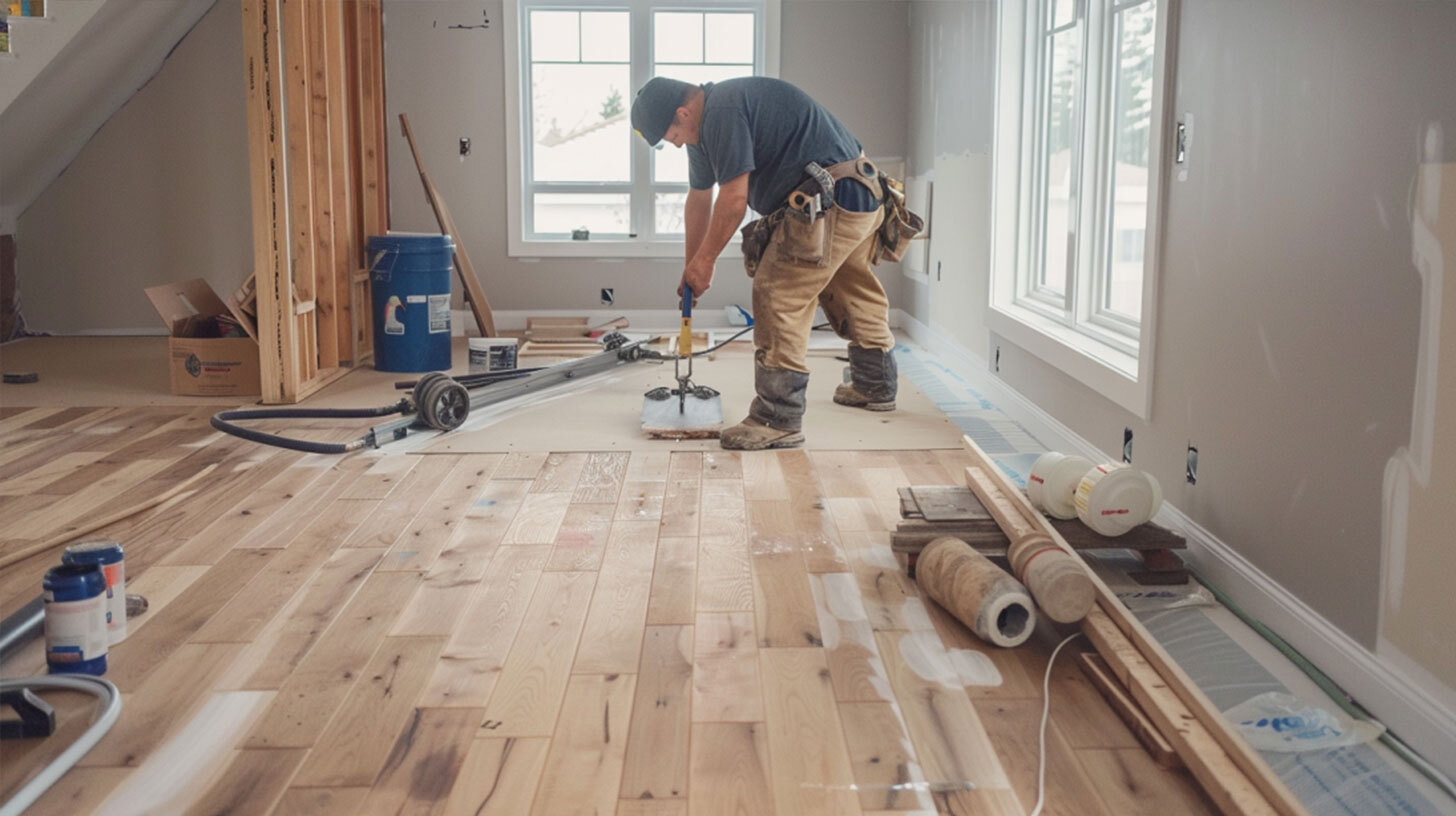
Restored hardwood floors need proper maintenance to protect your investment and extend finish life. We recommend sweeping or vacuuming daily in high-traffic areas to remove dirt particles that act like sandpaper under foot traffic. Weekly damp mopping with hardwood-specific cleaners removes residue that accumulates despite regular sweeping.
Relative humidity control prevents expansion and contraction that stresses restored floors. We recommend maintaining indoor humidity between 35% and 55% year-round through HVAC system humidifiers or dehumidifiers. Mountain properties often need supplemental humidity control during winter heating seasons when indoor air becomes extremely dry.
Frequently Asked Questions
How long does hardwood floor restoration take?
Complete restoration projects typically require one to two weeks, depending on room size and damage extent. The process includes damage assessment and board removal (1-2 days), subfloor repairs and board replacement (2-3 days), sanding and preparation (1-2 days), stain application and drying (1-2 days), and finish coating and curing (3-4 days). We provide specific timelines after assessing your floors in person.
Can all hardwood floors be restored, or do some need replacement?
Most solid hardwood floors can be restored unless the wood thickness falls below 3/8 inch after sanding or structural damage affects more than 40% of the floor area. Engineered hardwood with thin wear layers may not survive multiple sandings, making restoration impossible in some cases. We assess remaining wood thickness and provide honest recommendations about restoration feasibility versus replacement.
Do you offer restoration for engineered hardwood floors?
Engineered hardwood restoration depends on wear layer thickness and existing finish condition. Products with 3mm or thicker wear layers can usually be sanded and refinished once, though some manufacturers void warranties when floors are refinished. We measure remaining wear layer thickness before recommending restoration and explain warranty implications for engineered products.
What causes hardwood floors to cup or crown, and can restoration fix it?
Cupping occurs when board edges rise higher than centers due to moisture absorption from below, while crowning happens when board centers rise higher than edges from surface moisture exposure. Restoration fixes these problems by addressing moisture sources, allowing wood to stabilize at proper moisture content, and sanding boards flat after stabilization. Ongoing moisture problems will cause cupping or crowning to return even after restoration.
Does hardwood floor restoration create a lot of dust?
Modern dustless sanding equipment captures 95-98% of dust generated during restoration, though complete elimination remains impossible. We seal doorways with plastic barriers, maintain negative air pressure in work areas, and use HEPA filtration on sanding equipment. Some fine dust escapes these systems, but quantities are minimal compared to older sanding methods without dust collection.
Can you restore hardwood floors without removing furniture?
We prefer empty rooms for restoration work, but can work around furniture in some situations by moving it systematically as we progress through rooms. This approach extends project timelines and increases costs due to additional labor. Large pieces like pianos and built-in furniture remain in place with protective coverings during restoration work.
How often do hardwood floors need restoration?
Properly maintained hardwood floors require restoration every 20-30 years, depending on traffic levels, maintenance quality, and finish durability. High-traffic commercial installations may need attention after 10-15 years, while low-traffic residential bedrooms might go 40 years between restorations. We recommend professional inspection when floors show extensive surface wear or finish deterioration.