
Tile Flooring Types: Ceramic, Porcelain, and Stone Guide
Choosing between tile flooring can feel overwhelming when you walk into a showroom for the first time. Ceramic, porcelain, and natural stone all look beautiful in photos. But they behave very differently in real rooms. This guide breaks down what makes each of the main tile flooring types unique, where each one performs best, and how to match your choice to your home.
At Leicester Flooring, we’ve helped Western North Carolina homeowners choose the right tile flooring types for over 50 years. Our non-commission staff gives you honest advice, not a sales pitch.
What Are the Main Tile Flooring Types? 
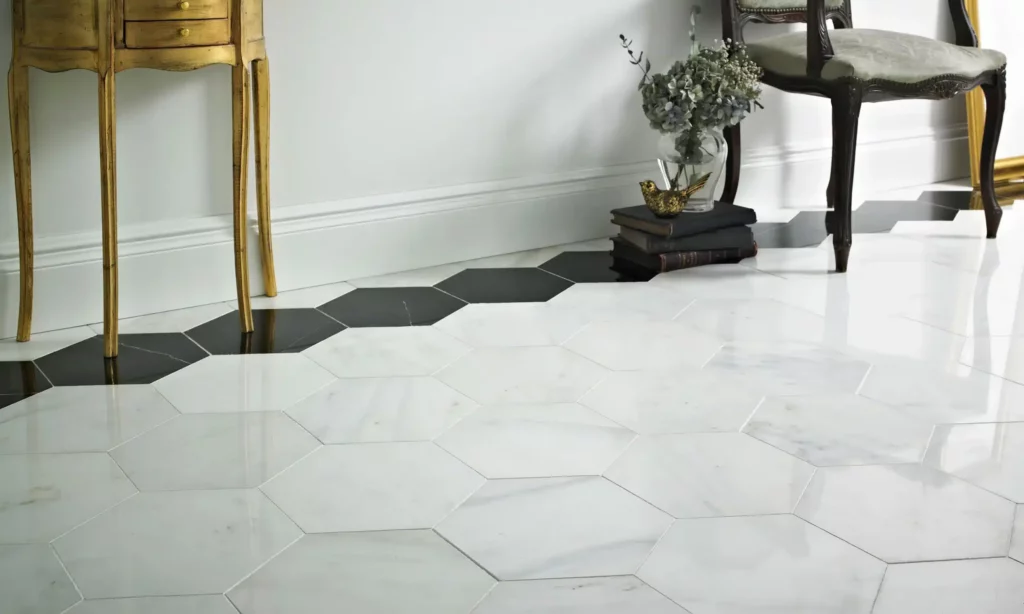
Tile is one of the oldest flooring materials on earth, and for good reason. It stands up to water, heavy foot traffic, and decades of daily use. The three main tile flooring types you’ll encounter are ceramic, porcelain, and natural stone.
Each one comes from different raw materials. That shapes how hard they are, how much moisture they absorb, and how much maintenance they need. Understanding the differences between tile flooring helps you avoid costly mistakes and pick a floor you’ll love for years.
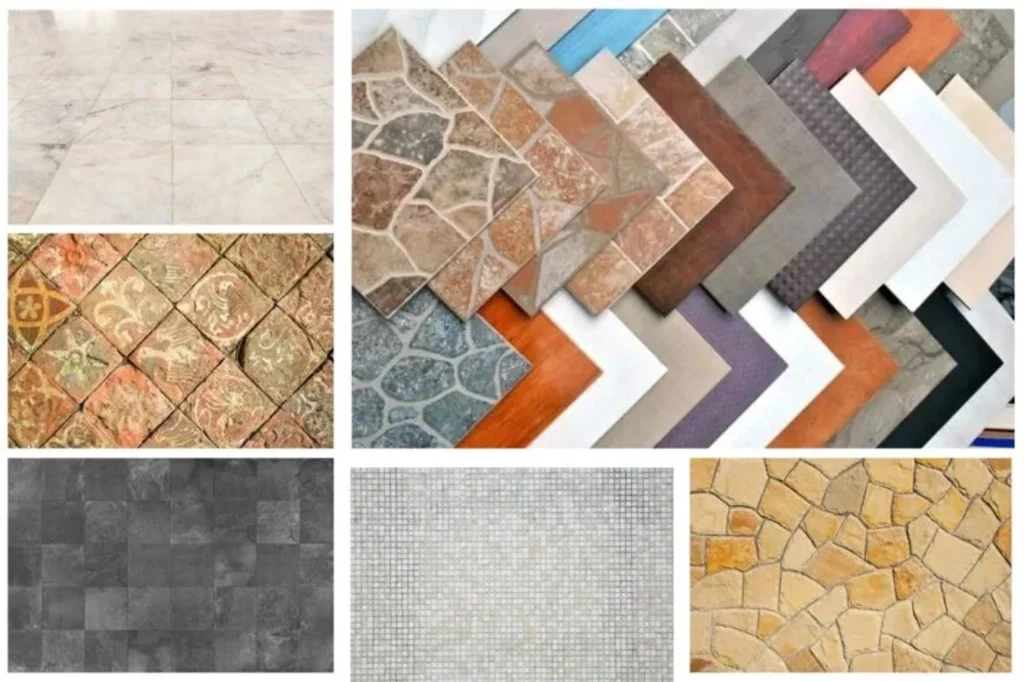
Within those three broad categories, you’ll also find subtypes. Glazed versus unglazed ceramic. Polished versus matte porcelain. Slate versus travertine versus marble. All of these are tile flooring types, and each has a specific job it does well.
Ceramic Tile: A Classic Among Tile Flooring Types
What Is Ceramic Tile?
Ceramic tile is made from natural clays pressed under heat and pressure. It’s one of the most widely used tile flooring types in residential construction. Traditional ceramic typically contains a mix of white, red, and brown clays. The result is a rigid, durable material that comes in glazed and unglazed forms.
Glazed ceramic has a protective coating fired onto the surface. That glaze creates the wide range of colors and patterns that ceramics are known for. It also gives the tile resistance to stains and surface moisture. Unglazed ceramic has a more natural, matte finish and a slightly rougher texture.
Among all tile flooring types, ceramic tends to be the most budget-friendly. It’s easier to cut than porcelain, which makes installation quicker. That can lower your total project cost.
Where Ceramic Tile Performs Best
Ceramic tile shines in rooms with moderate traffic and limited moisture. Laundry rooms, dining rooms, entryways, and low-traffic hallways are all good candidates. Bathrooms and kitchens with heavy use are better suited to porcelain or stone, which we’ll cover below.
One thing to keep in mind: ceramic is slightly softer than porcelain, so it can chip if heavy objects are dropped on it. In a busy WNC household, consider where the floor will really take a beating before choosing this type of tile.
Porcelain Tile: The Most Durable of the Common Tile Flooring
How Porcelain Differs from Ceramic
Porcelain is technically a subtype of ceramic, but the differences matter enough that we treat it as its own tile flooring type. Porcelain contains feldspar in addition to clay. When fired at higher temperatures, that feldspar transforms into a dense, glasslike material.
The result is a tile with a water absorption rate below 0.5%, compared to a ceramic’s rate of up to 3% (Tile Council of North America). That low absorption rate makes porcelain nearly impervious to moisture. It won’t crack during freeze-thaw cycles, which matters in Western North Carolina, where winter temperatures can swing sharply.
Porcelain is also harder on the Mohs scale than standard ceramic. That means better scratch and chip resistance, especially important in high-traffic areas. Among tile flooring types, porcelain is the go-to choice for busy households with kids, pets, or heavy foot traffic.
Through-Body vs. Glazed Porcelain
Glazed porcelain has a surface layer applied before firing. It offers tremendous design variety, from wood-look planks to marble patterns. Through-body porcelain has the same material composition all the way through. If you chip through-body tile, the chip blends with the body color. With glazed tile, a chip can reveal a different-colored core.
For floors in high-traffic areas, through-body porcelain is worth considering. The wear surface is the same material as the base, so the tile holds up better over time.
Best Rooms for Porcelain Tile Flooring
Porcelain is the best tile flooring type for kitchens, bathrooms, mudrooms, and entryways. It handles wet shoes, spills, and steam from a shower with ease. Outdoor patios and covered porches are also strong candidates for porcelain because it resists frost and weather damage.
For homes in Asheville, Hendersonville, Black Mountain, or anywhere in WNC with mountain weather, porcelain’s resistance to moisture and temperature swings is a real advantage. Our tile installation team can walk you through the right products for your space.
Natural Stone Tile: Character You Can’t Replicate
Natural stone is the original tile flooring type. Long before ceramic kilns existed, people cut stone from the earth and laid it underfoot. Today, natural stone tile flooring include slate, travertine, marble, granite, and limestone. Each has a distinct look, feel, and performance profile.
No two stone tiles are identical. That variation is part of the appeal. But it also means stone requires more planning and care than manufactured tile. Porosity varies by stone type, and many stones need sealing to protect against moisture and stains.
Slate
Slate is one of the most practical natural stone tile flooring types. It’s dense, slip-resistant, and handles moisture well. The natural cleft texture of slate provides grip, making it a popular choice for entryways and mudrooms in WNC homes where wet boots and outdoor gear are a daily reality.
Slate’s color range runs from charcoal and black to rust and green. It pairs beautifully with the natural aesthetic of mountain-style homes. Maintenance is relatively easy, though slate benefits from occasional sealing.
Travertine
Travertine is a limestone-based stone with a warm, earthy palette. Cream, beige, walnut, and gold are common tones. The material’s surface often shows natural pits and voids that give it a handcrafted character.
Among stone tile flooring types, travertine is softer and more porous than slate or granite. It requires sealing and careful maintenance. Acidic cleaners can etch the surface. Travertine works beautifully in formal living areas, master bathrooms, and foyers where aesthetics matter more than industrial durability.
Marble
Marble is the most luxurious of the stone tile flooring types. Its veining and depth of color are hard to match with manufactured materials. Calacatta, Carrara, and Nero Marquina are among the most popular varieties.
Marble is softer and more porous than granite or porcelain. It scratches and stains more easily. High-polish marble floors show every scuff and water spot. For a kitchen or busy entryway, marble demands consistent care. For a formal dining room or low-traffic bathroom, it delivers results that no other tile flooring type can match.
Granite
Granite is the hardest natural stone tile flooring type. It resists scratches, chips, and stains better than marble or travertine. Its speckled patterns come in dozens of color combinations.
Granite tiles are dense and heavy. Professional installation is strongly recommended. When properly sealed, granite is one of the most low-maintenance stone tile floorings available.
Ceramic vs. Porcelain vs. Stone: Comparing Tile Flooring Types
The table below gives you a quick side-by-side view of the major tile flooring types. Use it as a starting point, then talk with our team about your specific space.
| Tile Type | Hardness | Water Resistance | Maintenance | Best Rooms |
| Ceramic | Moderate | Good (glazed) | Low | Dining, laundry, hallways |
| Porcelain | High | Excellent | Low | Kitchen, bath, outdoor |
| Slate | High | Very Good | Low-Moderate | Entryways, mudrooms |
| Travertine | Moderate | Moderate | Moderate | Living rooms, master bath |
| Marble | Moderate | Low-Moderate | High | Formal rooms, low-traffic |
| Granite | Very High | Good (sealed) | Low | Any room, commercial areas |
Tile Flooring Types for WNC Homes
Western North Carolina presents some specific challenges for flooring. Homes in Asheville, Hendersonville, Black Mountain, Weaverville, and the surrounding mountains deal with higher humidity levels, seasonal moisture swings, and crawl space foundations that can affect how flooring performs.
For homes with crawl space foundations, moisture management is critical. Tile flooring, like porcelain, handles this environment better than wood-based floors because they don’t absorb ground moisture the way wood does. In bathrooms and kitchens, tile’s waterproof surface protects the subfloor and structure of your home.
Homes at higher elevations in WNC see more dramatic temperature changes than piedmont areas. Porcelain and dense stone tile flooring types with low water absorption rates handle freeze-thaw cycling without cracking. For outdoor applications like covered porches or sunrooms, always choose a frost-rated tile.
Our team at our Asheville showroom and our Hendersonville location knows the WNC climate well. We can help you choose tile flooring that actually holds up here.
How Tile Flooring Types Are Installed
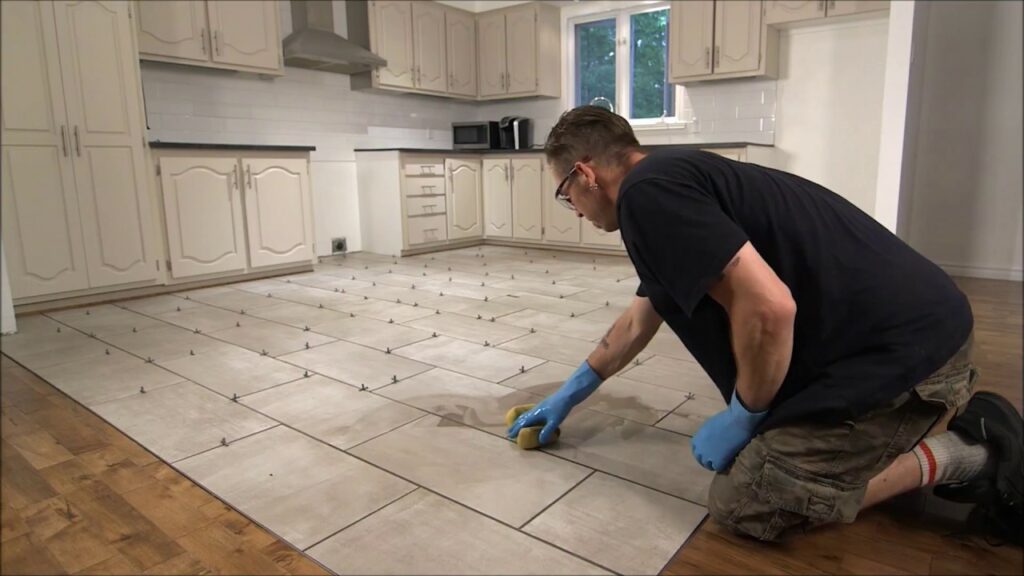
Installation is where many tile projects go wrong. Tile flooring is unforgiving of a poor subfloor. If the base isn’t flat, rigid, and clean, tiles crack and grout fails. That’s true for ceramic, porcelain, and stone alike.
Most tile flooring installations require a concrete backer board over wood subfloors. Tile is heavy, and wood subfloors flex. Without a backer board, grout lines crack within months. Porcelain and stone tiles, which are heavier and harder, demand even more precise subfloor preparation.
According to the Tile Council of North America, grout joints must be consistent and properly filled to prevent water infiltration and structural failure. Poorly grouted tile floors are the leading cause of premature tile failure. Our installers follow industry best practices for every tile flooring type we install.
After installation, the new tile needs at least 48 hours before you walk on it. The mortar and grout need time to cure fully. Rushing this process can loosen tiles and compromise the entire floor.
Learn more about what to expect on our tile and stone installation page. We handle everything from measurements through the final clean-up.
Caring for Different Tile Flooring
 Different tile floorings need different care approaches. Ceramic and porcelain are the easiest to maintain. Daily sweeping or vacuuming removes grit that can scratch the surface. A weekly wet mop with a manufacturer-approved cleaner keeps them looking fresh.
Avoid cleaners with acids, vinegar, bleach, or ammonia on any tile flooring type. These can damage grout and discolor the tile surface. Stick with pH-neutral cleaners or products your installer recommends.
Natural stone tile flooring needs the most attention. Marble, travertine, and limestone are all susceptible to etching from acidic spills. Even orange juice or wine left sitting can dull a polished marble surface. Seal stone floors regularly and wipe spills immediately.
Grout is also part of your maintenance routine across all tile flooring types. Light-colored grout shows dirt faster. Sealing grout after installation protects it from staining. Re-sealing every year or two keeps grout lines looking clean.
Get detailed care guidance on our tile care and maintenance page. We also carry manufacturer-approved cleaning products at both showrooms.
How Tile Compares to Other Flooring Types
Understanding tile flooring also means knowing how tile stacks up against other options. Hardwood floors offer warmth and character that most tile can’t match in feel, but they’re vulnerable to moisture and scratches. In kitchens and bathrooms, tile wins for durability and water protection.
Luxury vinyl plank (LVP) is often compared to tile for wet areas. LVP is warmer underfoot and easier to install. But tile flooring types, especially porcelain, outlast vinyl in high-traffic situations and have a longer lifespan when properly maintained.
If you’re comparing tile to hardwood flooring options for a living room or bedroom, think about comfort and warmth versus durability. Tile stays cooler underfoot, which is a bonus in summer but can feel cold in winter without radiant heating.
Looking at laminate flooring versus tile? Laminate is warmer and softer underfoot, but it doesn’t handle prolonged moisture as well as porcelain tile flooring.
Frequently Asked Questions
What is the most durable tile flooring type?
Porcelain is the most durable among manufactured tile flooring. Granite holds that title among natural stone options. Both have high hardness ratings and resist scratches, chips, and heavy foot traffic better than ceramic or softer stones like marble and travertine.
Is ceramic or porcelain tile better for a bathroom?
Porcelain is the better choice for most bathrooms. Its water absorption rate is under 0.5%, compared to up to 3% for ceramic. That makes porcelain more resistant to moisture damage over time. Glazed ceramic can work in a powder room or low-use bathroom, but for showers and floors in a primary bath, porcelain is the safer investment.
What tile flooring types work best outdoors?
Frost-rated porcelain is the standard recommendation for outdoor tile in climates like WNC’s. It resists freeze-thaw damage better than ceramic or most natural stone. Slate is also a solid outdoor option. Avoid marble, travertine, and polished tiles outdoors because they become slippery when wet.
Summary: Choosing the Right Tile Flooring Type for Your Home
Tile flooring types give WNC homeowners a durable, water-resistant, and beautiful option for nearly any room. Ceramic suits lower-traffic spaces with a more flexible budget. Porcelain handles high moisture and heavy use, making it ideal for kitchens, baths, and mudrooms across Asheville, Hendersonville, and the mountain communities of Western North Carolina. Natural stone brings timeless character but asks more from you in maintenance. Matching the right tile flooring type to your room’s demands and your household’s lifestyle is the key to a floor that lasts for decades.
Ready to Choose Your Tile Flooring Type?
We carry hundreds of tile products at our showrooms in Asheville and Hendersonville. Our non-commission staff will walk you through all the tile flooring types we carry, explain the differences in plain language, and help you find the best match for your space and budget.
We sell only American-made flooring products from brands we trust, including Shaw, Mannington, and Emser Tile. Every installation comes with our lifetime installation warranty.
Contact us to get started, or schedule a free in-home measure through our appointment page. We look forward to helping you find the right tile flooring type for your home.
Not sure if tile is right for your space? Explore our other flooring options: vinyl flooring, carpet, and hardwood installation.
You can also check our customer reviews to see what WNC homeowners say about working with us, or read our blog post on choosing a backsplash for your kitchen for more tile design ideas.