
Best Kitchen Flooring for Western North Carolina Homes: By Style and Setting
Choosing the best kitchen flooring in Western North Carolina is a different conversation than it is in most other parts of the country. Our mountain climate swings from damp summers to dry winters. Homes range from century-old Arts and Crafts bungalows in Montford to log cabins in Fairview to brand-new builds in Fletcher. What works beautifully in one setting can look out of place, or even fail structurally, in another.
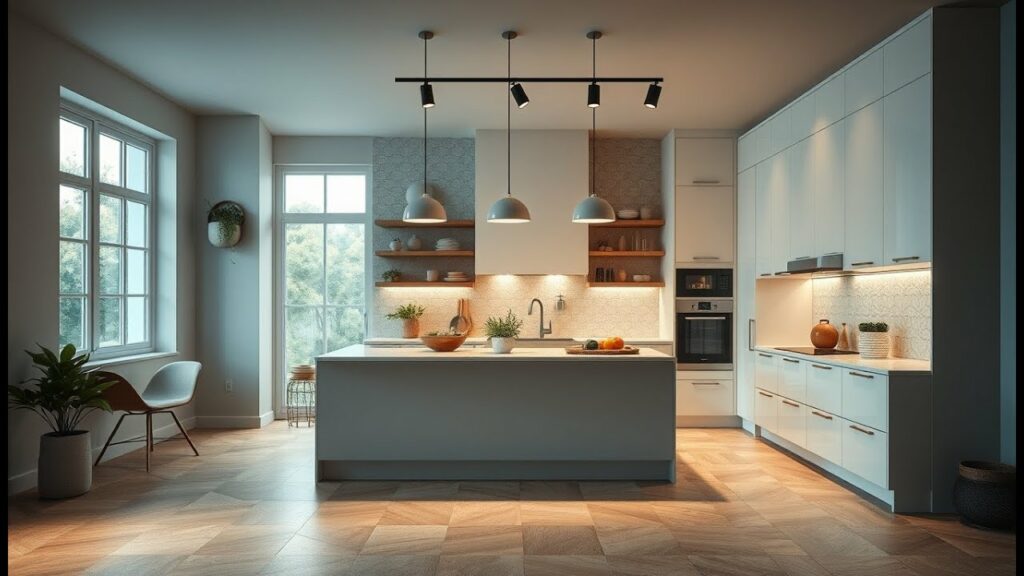
At Leicester Flooring and Carpet, we’ve been helping WNC homeowners make these decisions for over 50 years. We’ve seen how the same product performs differently in a 1920s bungalow off Merrimon Avenue versus a newer home in South Hendersonville — and we’ve learned to ask about the house before we talk about the floor.
This guide covers the best kitchen flooring for Western North Carolina homes by style and setting. If you’re renovating a historic property, updating a mountain cabin, refreshing a craftsman kitchen, or fitting out a newer suburban build, you’ll find specific, honest recommendations here. Visit either of our showrooms — our Asheville location or our Hendersonville showroom — to see these materials in person before you decide.
Why WNC’s Climate Changes Everything About Kitchen Flooring
Before we get into style recommendations, it’s worth understanding what the Blue Ridge climate actually does to floors.
Western North Carolina sits between 2,000 and 4,500 feet in elevation across most of the region. Asheville proper averages around 2,134 feet. That elevation brings real humidity variation — summers can push 70–80% relative humidity, while winter heating systems often drop indoor humidity to 30% or lower. That 40-to-50-point seasonal swing causes most flooring materials to expand and contract noticeably over time.
Solid hardwood absorbs this punishment the hardest. It’s not uncommon to see cupping in the summer and gapping in the winter in older WNC homes where solid hardwood was installed without proper moisture management. That doesn’t mean solid hardwood is off the table — it just means installation and accclimation matter enormously here. Our hardwood care and maintenance guide covers a lot of what homeowners need to know after installation.
Tile, luxury vinyl plank, and waterproof laminate are dimensionally stable — they don’t move with humidity swings the way wood does. That’s a significant practical advantage in WNC kitchens, which tend to see moisture from cooking, cleaning, and the occasional overflowing sink.
Mountain home flooring considerations go deeper into how elevation and seasonal temperature changes affect your options. It’s worth reading before you commit to a material.
Kitchen Flooring for Craftsman and Bungalow Homes
The Character of WNC’s Craftsman Homes
Asheville has one of the highest concentrations of intact Arts and Crafts bungalows in the Southeast. Neighborhoods like Montford, West Asheville, and North Asheville are full of homes built between 1905 and 1940 — homes with quarter-sawn oak floors, thick trim, built-in cabinetry, and original tile work. Choosing the best kitchen flooring for these homes is as much about architectural respect as it is about function.
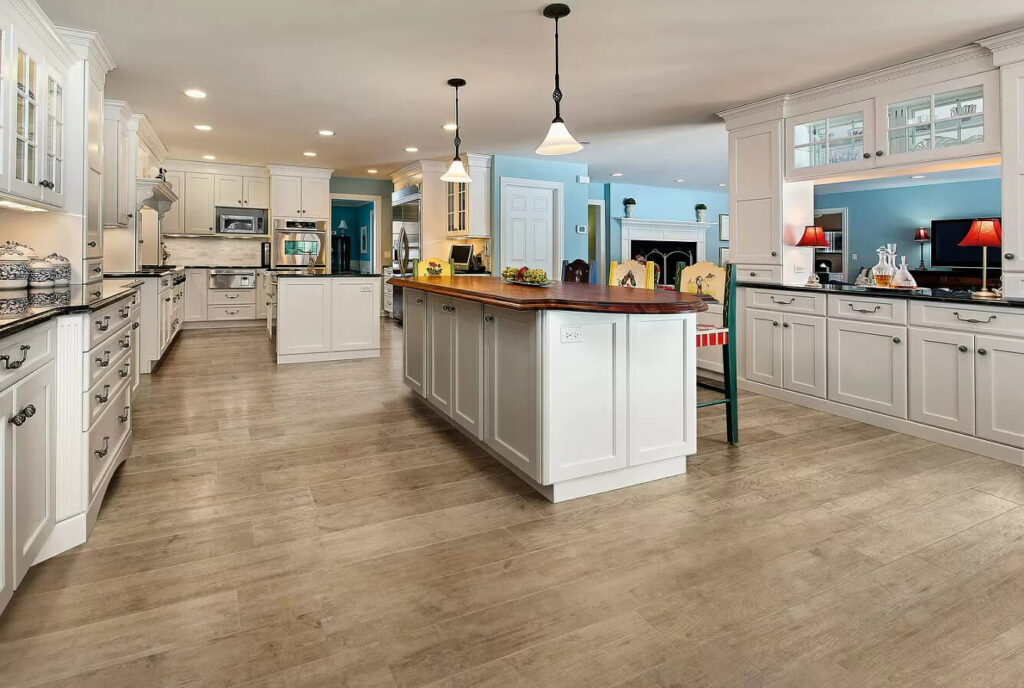
The best kitchen flooring for craftsman homes works with that built-in vocabulary of natural materials, warm tones, and handcrafted detail. You don’t want something that looks like it was installed in 2015. You want something that feels like it could have always been there.
Hardwood in Craftsman Kitchens: When It Works
Wide-plank hardwood, particularly in white oak or hickory, is the most historically coherent choice for a craftsman kitchen. It reads as genuine, ages gracefully, and ties the kitchen to the rest of the home if the living spaces have original wood floors.
The practical concern is moisture. Kitchen floors take spills, splashes from the sink, and tracked-in water from outside. If your craftsman kitchen has undergone renovation that sealed the subfloor well, and you’re consistent about wiping up water, hardwood can work. Engineered hardwood is actually a better call than solid in most cases — it has the same visual character but handles WNC’s humidity swings with far less drama. Our solid vs. engineered hardwood guide explains the difference in detail.
Stain color matters here. Honey, walnut, and medium-brown tones suit craftsman interiors better than the pale Scandinavian whites or the very dark espresso tones popular in contemporary homes. The floor should feel warm, grounded, and natural.
Tile for Craftsman Kitchens
Original craftsman homes often had ceramic tile in their kitchens — particularly subway tile, hex tile, and simple square formats in white or soft neutrals. Bringing tile back into a craftsman kitchen renovation is architecturally honest and practically smart.
For the best kitchen flooring in a craftsman setting, look at 4×4 or 6×6 ceramic or porcelain tile in matte finishes, hex mosaic patterns, or reproduction encaustic tiles. These formats feel period-appropriate without tipping into theme-park territory.
Tile is fully waterproof, handles heavy use well, and is easy to clean. The trade-off is that it’s cold underfoot in winter — a real consideration in WNC mountain homes — and the grout requires periodic maintenance. Our team can walk you through tile installation options that would suit older kitchen layouts where subfloor conditions vary.
Luxury Vinyl Plank as a Practical Alternative
If the subfloor in a craftsman kitchen is uneven, has old vinyl or adhesive underneath, or presents other complications, luxury vinyl plank (LVP) is worth a serious look. Today’s LVP in warm wood tones can look genuinely convincing in a craftsman kitchen, especially under period-appropriate lighting and paired with natural-wood cabinets.
The key is choosing LVP with a realistic wood grain texture and a thicker wear layer. Thin, shiny LVP reads as cheap in an older home. Our vinyl flooring products include options that fit craftsman aesthetics without sacrificing the waterproof performance that a kitchen demands.
Kitchen Flooring for Mountain Cabins and Rustic Retreats
What Makes a Mountain Cabin Kitchen Different
Whether it’s a full-time home on a ridge above Black Mountain or a weekend place near Lake Lure, mountain cabin kitchens face a specific combination of demands. They take significant tracked-in moisture from outdoor living. They often have lower-than-ideal subfloor conditions because of the age or construction method of the structure. And they need to look like they belong in the mountains, not in a suburban subdivision.
The best kitchen flooring for Western North Carolina cabins is tough, moisture-tolerant, and visually consistent with the natural surroundings.
Wide-Plank LVP: The Honest Answer for Cabins
For most mountain cabin kitchens, luxury vinyl plank in a wide-plank format (6-inch or wider) is the most practical and visually appropriate choice. WNC cabin kitchens often see significant foot traffic from muddy boots, water from outdoor enthusiasts coming in after hiking or kayaking, and the general wear of a home that’s used hard.
LVP handles all of this without complaint. It’s 100% waterproof, dimensionally stable in humidity swings, and available in styles that genuinely complement the reclaimed wood, stone, and exposed beam aesthetic of most mountain cabins. A wire-brushed, hand-scraped, or distressed finish in a gray-brown or warm brown tone reads as authentic rather than manufactured.
Our vinyl installation service includes professional subfloor preparation, which matters in older cabins where the subfloor may have some irregularity that a floating floor system can bridge.
Porcelain Tile for Stone-Look Cabin Kitchens
Many mountain cabin kitchens use stone tile — or stone-look porcelain — because it connects visually to the surrounding landscape. A slate-look or fieldstone-look porcelain tile grounds a cabin kitchen in its environment in a way that wood floors can’t.
The installation requires a solid, level subfloor and proper underlayment. Our tile installation team handles subfloor assessment as part of the project scope.
What to Avoid in Cabin Kitchens
Solid hardwood is a risk in most mountain cabin kitchens, particularly in structures without consistent climate control. Cabins that aren’t heated when unoccupied during WNC winters see extreme humidity swings that can cause solid wood to gap, cup, and eventually fail. Engineered hardwood handles this better, but even it has limits in severe conditions.
Standard laminate — not waterproof laminate — is another material to think twice about. Kitchen spills that sit at seams can cause swelling and delamination. If you want the look of wood in a cabin kitchen, the waterproof laminate options we carry offer that visual character with genuine moisture protection.
Kitchen Flooring for Historic Asheville Homes
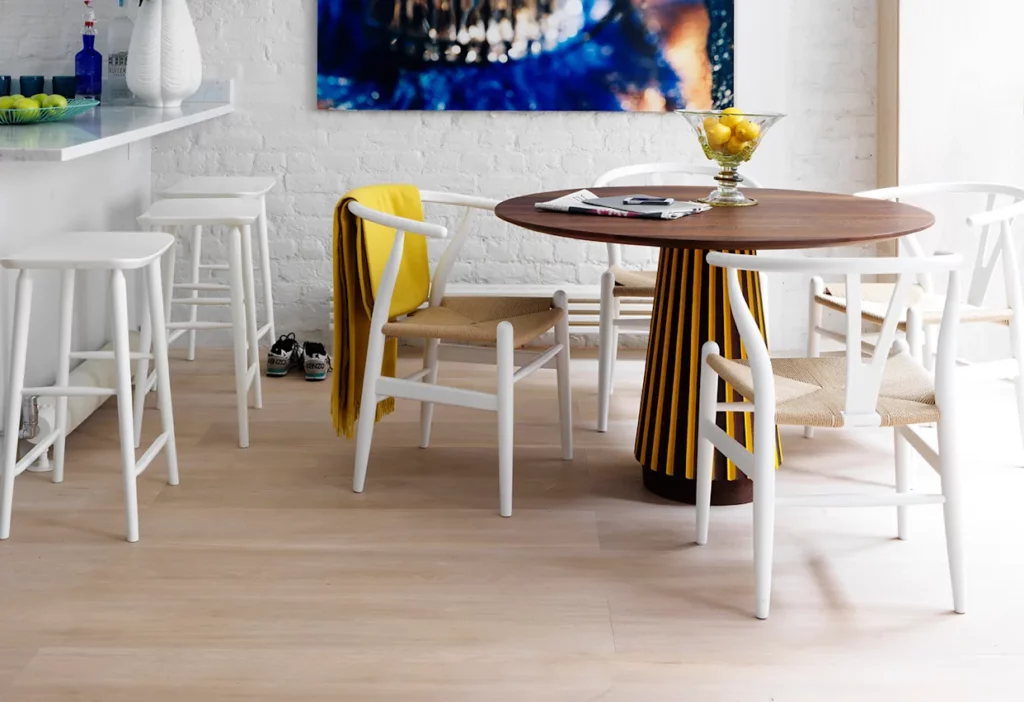
The Specific Challenges of Historic Properties
Asheville’s historic neighborhoods — Montford, Kenilworth, Grove Park, Norwood Park — contain homes ranging from Victorian-era Queen Annes to Depression-era Colonial Revivals. Many have original subfloors in varying condition, uneven layouts that have been modified over decades, and owners who care deeply about preserving architectural character.
The best kitchen flooring for historic Asheville homes respects the era of the structure while meeting contemporary standards for durability and moisture management.
Original Hardwood Refinishing: The First Question
Before installing anything new in a historic kitchen, it’s worth asking whether the existing floor can be restored. Many older Asheville homes have original hardwood under layers of vinyl, linoleum, or subfloor underlayment. If that wood is structurally sound, refinishing it is often more historically appropriate and ultimately more valuable than replacement.
We’ve refinished floors in some of Asheville’s oldest homes, and the difference between a stripped, stained, and sealed original floor and a new product is something you can see and feel. If you’re curious what’s under your current kitchen floor, we’re happy to take a look during a free in-home measure.
New Tile That Respects Historic Character
When the original floor isn’t salvageable, or the layout has been so heavily modified that a cohesive refinishing isn’t possible, ceramic or porcelain tile in period-appropriate formats is often the right call for a historic Asheville kitchen.
For properties near the River Arts District, the South Slope, or other areas seeing significant renovation activity, tile floors in well-chosen historical formats also hold up strongly from a resale perspective. Our tile products page shows the range of options we carry.
Historic Home Considerations: Subfloor and Leveling
Older homes often have subfloor variations that newer installations don’t account for. Settling, previous modifications, and the sheer age of the structure can mean a kitchen floor that varies by half an inch or more across its surface. This isn’t a problem if your installer knows what they’re doing — but it does affect material choice.
Floating floor systems (LVP and laminate) can often bridge minor subfloor irregularities. Tile and hardwood require a level substrate and may need additional prep work. This is one of the reasons our installation team does a thorough subfloor assessment before any project begins. You can read more about what that involves on our hardwood installation process page.
Kitchen Flooring for Suburban Hendersonville and Newer WNC Builds
A Different Set of Priorities
Henderson County’s growth over the past 20 years has added thousands of newer homes in neighborhoods around Hendersonville, Fletcher, Flat Rock, and Mills River. These homes don’t carry the same historical preservation concerns as older Asheville properties, but they have their own considerations.
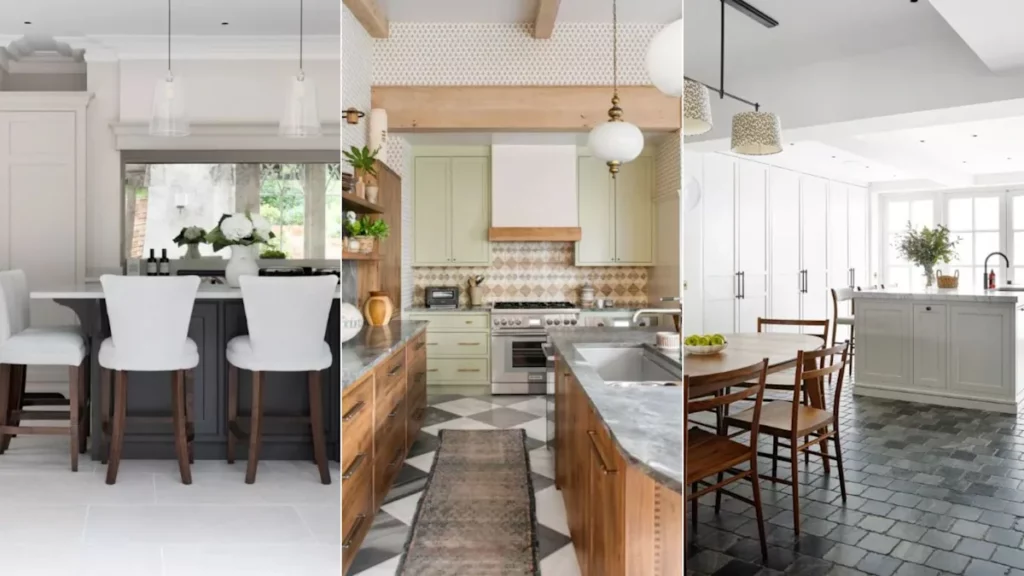
Newer construction often uses engineered subfloor systems that are well-suited to a range of flooring types. Open-concept layouts mean kitchen floors frequently flow into dining and living areas — which means the flooring choice needs to work visually across a larger, more varied space. Families with kids, pets, and active lifestyles need the best kitchen flooring that can handle real-world use.
Waterproof Laminate: The Family-Friendly Answer
For newer Hendersonville and WNC suburban homes, waterproof laminate is one of the most popular and practical best kitchen flooring choices we see. It’s warm underfoot, looks like wood, installs relatively quickly, and handles the spills and wet boots of a busy family kitchen without issue.
Today’s waterproof laminate has improved significantly from older generations. How waterproof laminate technology works is worth understanding — the key is that the core is fully waterproof, meaning standing water won’t cause swelling or delamination the way it did with older laminate products.
For open-concept spaces, using the same waterproof laminate throughout the kitchen, dining area, and living room creates visual continuity that makes the entire main floor feel larger and more cohesive. Our laminate flooring guide covers the full product range.
Large-Format Tile for Contemporary Kitchens
Many newer WNC builds favor a cleaner, more contemporary aesthetic — and large-format tile (24×24 or even 24×48 porcelain) fits that look well. It reads as modern, is easy to clean, and the reduced number of grout lines makes maintenance simpler than smaller tile formats.
Gray-tone porcelain in a concrete or stone look is particularly popular in newer Hendersonville kitchens. It pairs well with white or gray cabinetry, stainless steel appliances, and the general direction of current kitchen design. Our tile care and maintenance guide helps homeowners understand what long-term upkeep looks like.
LVP for Rental Properties and Investment Homes
Henderson County has seen significant growth in short-term and long-term rentals. If you’re choosing the best kitchen flooring for a rental property or investment home in WNC, durability and ease of replacement are as important as aesthetics. Luxury vinyl plank checks both boxes — it’s tough enough to handle tenant use, cost-effective enough to replace a section if needed, and available in neutral, broadly appealing styles.
Our best flooring for rental properties page goes into more detail on what works specifically for investment properties in this market.
What Leicester Flooring Brings to This Decision
We’ve been doing this in Western North Carolina since 1971. Our team has installed floors in Victorian homes in Montford, mountain cabins in Yancey County, vacation rentals in Bat Cave, and new construction in Mills River. We carry only American-made products, which means we know the manufacturing standards and can stand behind what we sell.
Every project we take on starts with a free in-home measure where we look at the actual conditions: the subfloor, the kitchen layout, how the room connects to adjacent spaces, and what the home’s architectural character calls for. Then we give you an honest recommendation based on what we actually see — not on what happens to be on sale.
Our installation warranty is lifetime. That means if something goes wrong with how the floor was installed, we fix it. We don’t walk away from a job and hand you a manufacturer’s warranty to navigate on your own.
You can see our full flooring lineup at either of our showrooms. The Asheville location serves Buncombe County and the surrounding areas. Our Hendersonville showroom serves Henderson County and the southern WNC region. Contact us anytime to talk through your project.
Frequently Asked Questions
What is the most durable, best kitchen flooring for Western North Carolina homes?
Porcelain tile and luxury vinyl plank are the most durable options for WNC kitchens. Both are fully waterproof and dimensionally stable in our humidity swings. LVP is softer underfoot and easier to install over imperfect subfloors. Porcelain is harder and works especially well with radiant heat systems common in mountain homes.
Can I put hardwood floors in a WNC kitchen?
Yes, but with some caveats. Engineered hardwood handles WNC’s humidity variation better than solid hardwood. Either way, proper subfloor moisture barriers, acclimation, and consistent climate control in the home are important. In mountain cabins that aren’t regularly heated in winter, wood flooring of any kind is a risk.
What kitchen flooring works best in an open floor plan?
Waterproof laminate and luxury vinyl plank are both excellent for open-concept layouts because they’re available in long runs without seams and maintain dimensional stability across large areas. Running the same product through the kitchen, dining, and living areas creates visual continuity. See our laminate flooring by room guide for more on this.
Is tile too cold for a WNC mountain kitchen?
It can be, especially in older homes without radiant heat. There are practical solutions: area rugs in work zones, radiant heat underlayment systems, or simply choosing a different material if cold underfoot is a concern. Our staff is happy to talk through what makes sense for your specific kitchen.
What’s the best kitchen flooring to match craftsman-style cabinetry?
Warm-toned engineered hardwood, medium-format ceramic tile in matte finishes, or wood-look LVP in honey or walnut tones all complement craftsman cabinetry well. Avoid very light Scandinavian whites or very dark contemporary tones — they tend to clash with the warm, natural palette that craftsman homes were designed around.