
Water-Damaged Hardwood Floor Repair in Asheville
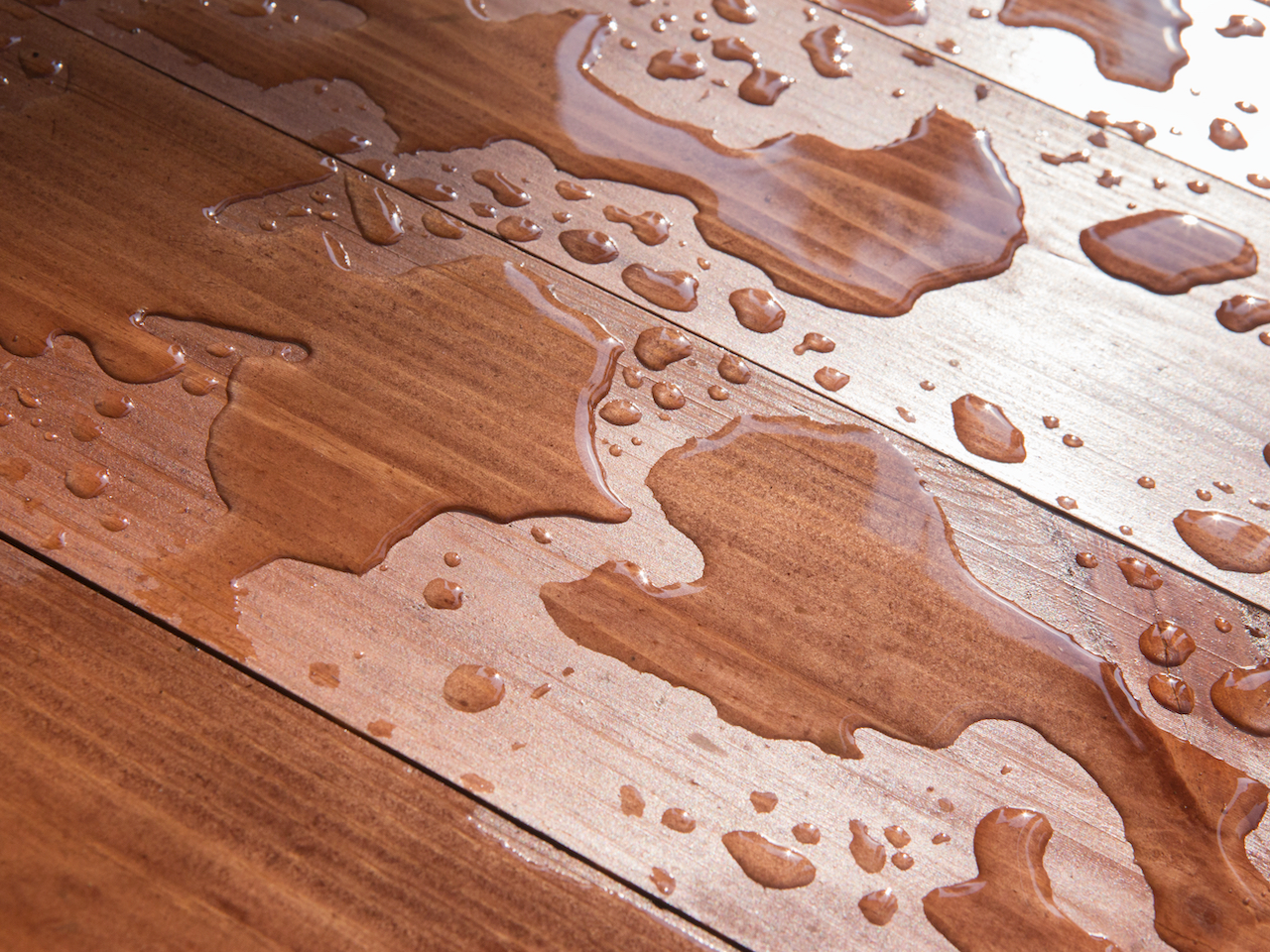
Discovering water damage on your hardwood floor creates immediate stress. Whether the damage comes from a burst pipe, appliance leak, or Asheville’s heavy rainfall infiltrating your home, acting quickly makes the difference between salvaging your floors and facing complete replacement. At Leicester Flooring, we’ve spent 50 years addressing water damage across Western North Carolina, where our regional climate creates specific challenges that differ from drier parts of the country.
Recognizing Water Damage in Hardwood Floors
Water damage shows up in several distinct ways across hardwood installations. Cupping occurs when board edges rise higher than centers, creating a concave surface that you can feel when walking across the floor. This happens when moisture absorbs into the wood from below, causing the bottom of each board to expand more than the top surface.
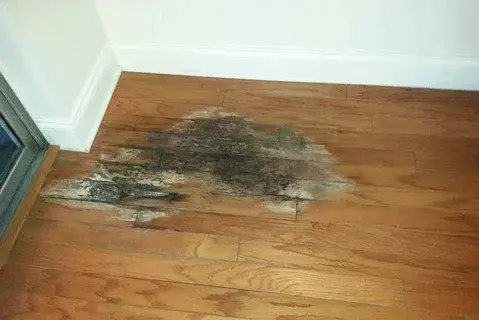
Dark staining appears where water sits on hardwood for extended periods. These black or gray marks penetrate deep into the wood grain and indicate potential mold growth beneath the surface. The stains won’t sand out if they extend through the board’s full thickness, requiring board replacement rather than refinishing.
Gaps between boards develop when wood contracts after drying out from water exposure. Seasonal gaps measuring 1/16 inch or less represent normal behavior in Western North Carolina’s varying humidity, but larger separations indicate damage that may require hardwood floor restoration services.
Assessing Water Damage Severity
Professional damage assessment begins with moisture testing using calibrated meters that measure water content in both hardwood and subfloor materials. Wood moisture readings above 12% indicate active moisture problems that must be resolved before any repairs begin. We test multiple locations across affected areas to map the full extent, as water often travels far from its entry point.
Surface damage affects only the finish and top wood layers without penetrating to the subfloor below. These situations typically respond well to drying, followed by sanding and refinishing once moisture levels stabilize. You’ll see slight discoloration or finish bubbling, but boards remain structurally sound and flat.
Mountain climate conditions in Asheville complicate water damage assessment. Homes at higher elevations experience different drying rates than valley properties, and seasonal humidity variations affect how quickly floors stabilize after water exposure.
Board Replacement vs. Refinishing: Making the Right Choice
Deciding between board replacement and refinishing depends on the extent of damage and wood thickness remaining after potential sanding. Solid hardwood floors typically allow three to five complete refinishing cycles over their lifetime before wood thickness becomes insufficient. Each refinishing removes approximately 1/16 inch of wood through sanding.
Complete floor replacement becomes necessary when damage affects more than 40% of the installation or when structural issues in the subfloor require extensive repairs. At this threshold, the cost difference between partial restoration and new installation narrows enough that starting fresh makes more economic sense.
Engineered hardwood complicates these decisions because wear layer thickness varies by product. Some engineered floors feature 3mm wear layers that allow one refinishing, while others use paper-thin veneers that can’t be sanded at all. We assess engineered products carefully before recommending repair approaches.
Subfloor Moisture Treatment and Remediation
Subfloor moisture represents the most critical factor in successful water damage repair. Hardwood installed over wet subflooring will continue showing damage symptoms regardless of surface repairs. We won’t install new boards or refinish existing floors until subfloor moisture levels reach appropriate ranges for your specific subfloor material.
Crawlspace vapor barriers prevent ongoing moisture transmission through subflooring in homes without concrete foundation slabs. Many older Asheville properties lack proper vapor barriers, allowing ground moisture to affect hardwood floors continuously. We recommend addressing these underlying issues during water damage repairs to prevent future problems.
Basement moisture control becomes essential when water damage affects lower-level hardwood installations. These spaces typically show higher ambient humidity than main living areas, creating conditions where hardwood struggles even without active leaks. Proper dehumidification systems protect repairs and extend hardwood floor life significantly.
Western North Carolina Climate Considerations
Asheville’s climate creates specific challenges for water-damaged hardwood that differ from conditions in other regions. Our area receives 37 to 47 inches of annual rainfall, depending on elevation, with heavy precipitation events common during the spring and summer months. This moisture-rich environment means hardwood floors already operate near their moisture tolerance limits before any water damage occurs.
Temperature variations between seasons affect drying rates and repair timelines. Water damage occurring in November may require twice as long to dry as identical damage in July because lower temperatures slow evaporation rates. We adjust project timelines based on when damage occurs and current weather conditions.
Mountain elevation impacts both damage severity and repair approaches. Properties above 3,000 feet experience different temperature and humidity patterns than valley locations in downtown Asheville. We factor elevation into our damage assessments and recommend moisture management strategies appropriate for your specific location.
Preventing Future Water Damage
Appliance inspection prevents many hardwood water damage situations we see in Asheville homes. Water heaters typically last 8 to 12 years before failure risks increase dramatically. Washing machine hoses should be replaced every five years, regardless of visible wear, as interior deterioration causes ruptures that spray water across rooms before anyone notices.
Proper grading around your home’s foundation directs rainfall away from the structure rather than allowing it to pool against the foundation wall. We recommend maintaining at least a 6-inch drop in ground level over the first 10 feet extending from your foundation. Many older Asheville properties lack proper grading because decades of landscaping and settling have changed drainage patterns.
HVAC humidity control protects hardwood floor from damage caused by excessive indoor moisture levels. Maintaining relative humidity between 35% and 55% year-round prevents the expansion and contraction cycles that stress wood fibers and create conditions where minor leaks cause major damage.
Emergency Response for Water-Damaged Floors
Speed matters when water damage affects hardwood floor. The first 24 to 48 hours after water exposure determine whether floors can be saved or require replacement. We maintain emergency response capabilities for Asheville area homeowners who discover active flooding or significant leaks affecting their hardwood installations.
Stop the water source immediately before attempting any cleanup or damage assessment. Shut off individual appliance water supplies or the home’s main water line if you can’t identify the specific source. Continuing water flow compounds damage every minute it remains unaddressed.
Promote air circulation across affected areas using fans and opening windows when outdoor humidity levels are lower than indoor readings. Avoid introducing more moisture through ventilation when it’s raining or when outdoor humidity exceeds 60%. We provide guidance on effective drying strategies during our initial damage assessment.
Insurance Claims and Water Damage Coverage
Homeowners insurance typically covers sudden and accidental water damage from burst pipes, appliance failures, or storm-related flooding that enters through roof damage. Policies generally exclude damage from gradual leaks that occurred over extended periods or maintenance-related issues like worn-out water heater tanks.
Review your policy’s water damage provisions before filing claims to understand coverage limits and deductible amounts. Some policies cap water damage claims at specific dollar amounts or require separate flood insurance for certain water intrusion types. Knowing these details helps set realistic expectations about repair funding.
Professional damage assessment documentation supports insurance claims by providing objective evidence of damage extent and repair requirements. We prepare detailed reports outlining affected square footage, required repairs, material specifications, and labor costs. These reports help adjusters understand what repairs actually require rather than relying on general estimates.
Why Professional Repair Matters for Water Damage
DIY water damage repair attempts often create larger problems than the original damage. Homeowners who refinish hardwood floor before moisture levels stabilize face finish failure within months as wood continues drying and moving beneath the new coating. We’ve repaired countless floors where well-intentioned homeowners made damage worse by rushing repairs.
Professional moisture testing equipment costs thousands of dollars and requires calibration and training to use correctly. The handheld meters available at home improvement stores don’t provide the accuracy needed for reliable hardwood repair decisions. We use multiple meter types and testing methods to ensure accurate moisture readings before beginning any repair work.
Professional installation standards govern board replacement, moisture barrier installation, and finish application. These standards evolved over decades of industry experience and material testing. Following them ensures repairs last for years rather than failing prematurely due to incorrect procedures or material choices.
Cost Factors in Water Damage Repair
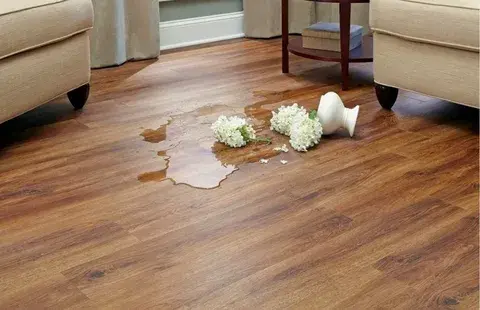
Water damage repair costs vary dramatically based on damage extent, board replacement requirements, and necessary subfloor work. Minor damage requiring only refinishing after proper drying costs $3 to $5 per square foot for labor and materials. Moderate damage involving partial board replacement and refinishing runs $8 to $15 per square foot, depending on wood species and installation complexity.
Emergency response services include additional charges for after-hours calls and rapid mobilization to prevent further damage. These premiums typically add $200 to $500 to project costs but often save thousands in prevented damage when response happens within hours of water exposure rather than days later.
Insurance coverage significantly affects out-of-pocket costs for most water damage repairs. Covered claims typically require only a deductible payment while insurance funds cover remaining repair costs. We work with insurance companies regularly and understand their documentation requirements and approved repair methods.
Frequently Asked Questions
Can I save money by drying floors myself before calling professionals?
Beginning immediate water removal and drying helps minimize damage, but a professional assessment should still happen within 24 to 48 hours. DIY drying efforts help, but professionals have the equipment and expertise to verify when hardwood floors have dried sufficiently for repairs to begin. Attempting repairs before complete drying causes finish failure and wasted money.
Does homeowners’ insurance cover water-damaged hardwood floor repair?
Coverage depends on the water damage cause and your specific policy provisions. Sudden damage from burst pipes or appliance failures typically receives coverage, while gradual leaks from poor maintenance usually don’t. Review your policy or contact your insurance agent to understand coverage before filing claims.
Can engineered hardwood floors be repaired after water damage?
Engineered hardwood repair depends on wear layer thickness and damage severity. Products with 2mm or thicker wear layers can sometimes be sanded and refinished once if damage affects only the surface. Severe water damage usually requires complete board replacement regardless of engineered floor construction because water affects the entire board structure, including core layers.