
Waterproof Flooring Guide: Everything You Need to Know
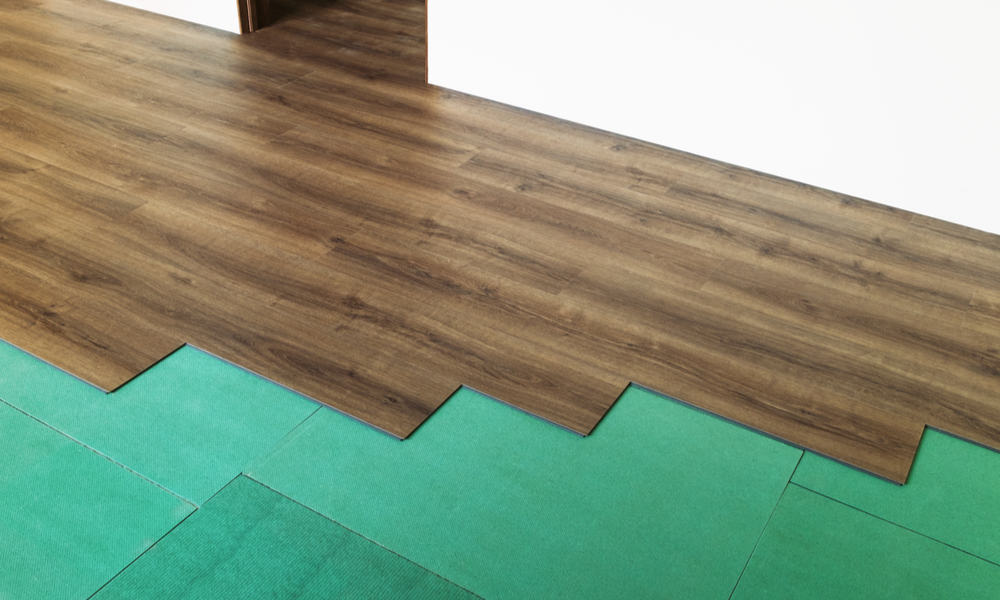
When you’re choosing flooring for your home, understanding the difference between waterproof and water-resistant can save you from costly repairs and disappointing performance. Not all flooring marketed as “waterproof” actually meets industry standards, and knowing what to look for helps you make confident decisions for spaces where moisture is a daily reality.
What “Waterproof” Really Means: ASTM Standards and Performance Testing
Waterproof flooring must resist water penetration without swelling, warping, or degrading. The American Society for Testing and Materials (ASTM) sets performance standards that manufacturers use to certify their products. ASTM F2659 covers rigid vinyl plank flooring, while ASTM F1700 applies to resilient floor coverings. These standards measure dimensional stability, water absorption, and structural integrity after prolonged exposure.
Products that meet these standards undergo testing where they’re submerged in water for 24 hours or longer. True waterproof flooring shows no dimensional change, no delamination, and no loss of structural integrity. The core material stays stable, the wear layer remains bonded, and the locking systems continue to function properly.
Many homeowners in Asheville and Hendersonville face humidity challenges from the region’s climate. Western North Carolina’s moisture levels make waterproof flooring particularly valuable in homes where traditional materials might fail. When you see ASTM certification on a product, you’re getting flooring that has passed rigorous testing designed to simulate real-world water exposure.
Waterproof vs. Water-Resistant: The Critical Distinction
Water-resistant flooring can handle light moisture and quick cleanup, but it’s not designed for standing water or prolonged exposure. Water-resistant products often have protective coatings or treatments that slow water penetration, but the core material can still absorb moisture if water sits too long.
Consider a typical bathroom scenario: someone steps out of the shower, and water pools around the floor for several hours before anyone notices. Water-resistant flooring might survive this once or twice, but repeated exposure leads to edge swelling and joint separation. Waterproof flooring handles this scenario without damage.
The confusion often comes from marketing language. “Water-resistant” sounds protective, and some manufacturers blur the lines between these categories. Look for specific language about 100% waterproof construction, sealed edges, and waterproof cores rather than general moisture protection claims.
Traditional laminate flooring falls into the water-resistant category unless it’s been specifically engineered with waterproof technology. The HDF (high-density fiberboard) core in standard laminate will absorb water and swell if exposed to moisture for too long. Newer waterproof laminate products address this limitation with different core materials.
Waterproof Technologies: How Modern Flooring Repels Moisture
Sealed Edge Technology
Sealed edges create a complete moisture barrier around each plank or tile. Manufacturers apply waterproof coatings or use tongue-and-groove joints that lock tightly enough to prevent water infiltration. Some products feature wax-based edge sealants, while others use polymer coatings that bond during installation.
Shaw’s Repel technology and Mohawk’s RevWood line both incorporate sealed edge systems. These edges prevent water from seeping between planks and reaching the subfloor, which is where most water damage begins in traditional floating floor installations.
Waterproof Core Materials
The core determines whether flooring can truly resist water. Three main types of waterproof cores dominate the market:
WPC (Wood Plastic Composite) combines wood flour and plastic, creating a rigid core that won’t absorb water. WPC cores feel slightly softer underfoot than traditional laminate and provide some sound dampening. They’re dimensionally stable in humid environments and can handle temperature fluctuations better than wood-based cores.
SPC (Stone Plastic Composite) uses limestone and plastic, resulting in a denser, more rigid core. SPC flooring works well in commercial settings and high-traffic areas because it resists denting and provides superior stability. The higher density means less give underfoot, which some people prefer for a feeling closer to tile.
EVA (Ethylene Vinyl Acetate) foam cores appear in some luxury vinyl products. EVA provides cushioning and sound absorption while maintaining waterproof properties. This core type works well in upstairs bedrooms and living spaces where comfort and noise reduction matter.
Moisture Barrier Systems
Beyond the flooring itself, proper moisture protection requires addressing the subfloor. Many waterproof flooring products include attached underlayment with vapor barriers. These barriers prevent moisture from migrating up through concrete slabs or wood subfloors.
In basement installations, where moisture comes from below, separate moisture barriers become essential. Products like 6-mil polyethylene sheeting or specialized vapor barrier underlayments create the necessary protection. Western North Carolina’s humidity levels make these barriers particularly important for ground-level and below-grade installations.
Material Comparison: Waterproof Options Evaluated
Luxury Vinyl Plank and Tile
Luxury vinyl flooring leads the waterproof category. The entire structure—from the wear layer to the core to the backing—resists water absorption. LVP and LVT work in any room, including full bathrooms and wet areas.
Performance characteristics: Luxury vinyl handles temperature fluctuations without expanding or contracting significantly. The material stays stable in basements where concrete slabs create temperature differences. Installation typically uses a floating method with click-lock systems, though some products require glue-down installation for commercial applications.
Maintenance requirements: Regular sweeping and occasional damp mopping keep luxury vinyl looking fresh. The wear layer resists scratches and stains, and most manufacturers offer 20-year or lifetime residential warranties. Water spills simply wipe away without leaving damage.
Visual options: Modern printing technology creates realistic wood and stone looks. Embossed textures match the visual patterns, giving you surfaces that look and feel like natural materials. You’ll find options from pale driftwood to rich walnut, along with slate, marble, and travertine appearances in tile formats.
Waterproof Laminate
Waterproof laminate uses a different core material than traditional laminate. Instead of HDF, these products feature WPC or SPC cores that won’t absorb water. The top layers still provide the high-definition imagery and texture that make the laminate attractive.
Where it excels: Waterproof laminate works well in kitchens and dining areas where food preparation and eating create spill risks. The AC (Abrasion Criteria) ratings on waterproof laminate match or exceed traditional laminate, giving you excellent wear resistance.
Limitations to consider: While the core resists water, the surface still requires relatively quick cleanup of standing water. The decorative layer and wear layer are moisture-resistant but not designed for 24-hour water exposure. This makes waterproof laminate suitable for most residential spaces, but less ideal than vinyl for full bathrooms.
Installation notes: Waterproof laminate installs as a floating floor over most subfloors. The planks typically use angle-tap or fold-down locking systems. You’ll need expansion gaps around the perimeter, but the material’s stability means smaller gaps than traditional laminate requires.
Porcelain and Ceramic Tile
Tile flooring provides inherent water resistance, but true waterproofing requires proper installation. The tile itself won’t absorb water—porcelain especially has a water absorption rate below 0.5%. The weak points are grout lines and the substrate beneath.
Installation requirements: Waterproofing tile installations means using cement board or waterproof membrane systems under the tile. Products like Schluter-Kerdi or RedGard create a waterproof layer that prevents moisture from reaching the subfloor. Grout must be sealed regularly, or you can use epoxy grout, which doesn’t require sealing.
Performance in wet areas: Properly installed tile handles standing water indefinitely. Shower floors, bathroom floors, and even outdoor applications prove tile’s waterproof capabilities. The material doesn’t degrade from moisture exposure, and modern installation systems have eliminated most traditional failure points.
Maintenance considerations: Tile itself requires minimal maintenance, but grout demands attention. Sealing grout annually prevents staining and moisture penetration. Epoxy grout eliminates this maintenance step but costs more upfront. The hard surface cleans easily but offers no cushioning underfoot.
Engineered Hardwood
Some engineered hardwood products now feature waterproof cores and edge treatments. The real wood veneer top layer gives you an authentic hardwood appearance, while the engineered construction provides better moisture stability than solid wood.
Waterproof vs. water-resistant engineered wood: Most engineered hardwood is water-resistant rather than waterproof. Look for products specifically marketed as 100% waterproof with sealed edges and waterproof core layers. These products cost more but offer wood aesthetics in spaces where traditional hardwood would fail.
Where it works best: Waterproof engineered hardwood suits kitchens, mudrooms, and dining areas. It’s not recommended for full bathrooms or laundry rooms where standing water is common. The wood veneer can still be damaged by prolonged water exposure even when the core and edges are protected.
Installation requirements: Most waterproof engineered hardwood installs as a floating floor. Some products work with glue-down methods. You’ll need proper acclimation time before installation, though waterproof versions require less acclimation than traditional engineered wood.
Best Rooms for Waterproof Flooring
Kitchens
Kitchens face daily water exposure from sinks, dishwashers, and food preparation. Spills happen frequently, and cleanup might not be immediate. Flooring eliminates worry about water damage around the sink, near the refrigerator’s ice maker, and by the dishwasher.
Bathrooms
Full bathrooms need truly waterproof solutions. Luxury vinyl and properly installed tile are your best options. These materials handle shower overflow, bathtub splashing, and the humid environment without degrading.
Basements
Basement moisture comes from multiple sources: concrete slab moisture, occasional seepage, and high humidity levels. Waterproof flooring creates a protective layer that won’t be damaged by these conditions.
Laundry Rooms
Washing machine hoses fail, connections drip, and overflow happens. Waterproof flooring in the laundry room prevents these incidents from causing structural damage to your home. The investment in waterproof materials is small compared to the cost of water damage repairs.
Mudrooms and Entryways
Wet shoes, umbrellas, and tracked-in rain make entryways challenging for flooring. Waterproof options handle these conditions while looking attractive enough for your home’s first impression.
Brand Comparison: Shaw, Mohawk, and Pergo Waterproof Lines
Shaw Waterproof Flooring
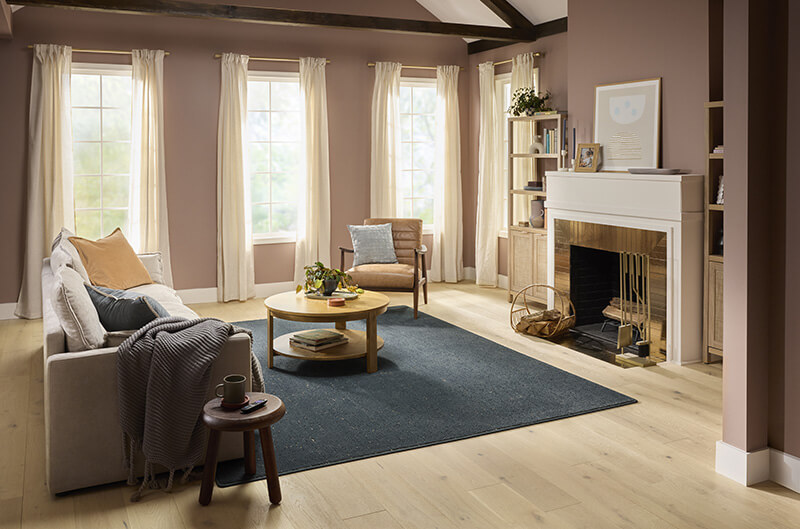
Shaw produces several waterproof product lines, each designed for specific applications and price points. Their Floorté line features waterproof rigid core luxury vinyl with attached underlayment. The products come in both plank and tile formats with realistic wood and stone visuals.
Shaw’s Repel technology appears in their waterproof laminate products. This system combines sealed edges with a waterproof core to create a laminate that can handle moisture without the traditional limitations. The technology includes edge treatments that prevent water infiltration at the joints.
Performance considerations: Shaw backs their waterproof products with strong warranties, typically lifetime residential warranties against waterproof core defects. The company’s history in the flooring industry provides confidence in long-term performance and product availability for future repairs or additions.
Mohawk Waterproof Collections
Mohawk’s waterproof offerings include the SolidTech line of rigid core luxury vinyl and the RevWood waterproof laminate collection. RevWood uses a WPC core that provides both waterproof performance and a slightly softer feel compared to traditional laminate.
The company’s Hydroseal technology creates a complete moisture barrier. Mohawk applies waterproof treatments to the core material, edges, and locking systems. This comprehensive approach prevents water from entering the flooring at any point.
Installation advantages: Mohawk’s locking systems in their waterproof products often feature easier installation than competitors. The Uniclic system creates tight joints without requiring specialized tools. This matters for both DIY installations and reducing labor costs for professional installations.
Pergo Waterproof Options
Pergo pioneered the laminate flooring category and now produces waterproof versions that maintain the visual quality the brand is known for. Their WetProtect technology appears in multiple product lines, from budget-friendly to premium collections.
The WetProtect system includes surface sealing, joint sealing, and a waterproof core. Pergo tests their waterproof products by leaving them in standing water for 72 hours without causing damage. This exceeds typical warranty requirements and provides confidence in real-world performance.
Visual quality: Pergo’s printing technology and embossing create some of the most realistic wood-look waterproof flooring available. The surface textures match the grain patterns, and the company offers many color options from current design trends.
Comparing Warranties and Support
Shaw and Mohawk both offer lifetime residential waterproof warranties on their premium products. These warranties cover waterproof core performance but may have limitations on surface wear and installation-related issues. Pergo provides similar coverage with slight variations in terms.
All three manufacturers maintain extensive dealer networks, making product availability and sample viewing convenient. At Leicester Flooring, we can show you samples from each brand and explain the specific differences in construction, feel, and appearance that help you make the right choice.
Installation Requirements for Waterproof Flooring
Subfloor Preparation
Waterproof still requires proper subfloor preparation. The surface must be clean, dry, level, and structurally sound. Even though the flooring won’t absorb water, moisture from below can create problems with adhesion and cause the subfloor to deteriorate.
Concrete subfloors need to be tested for moisture content. You can use a calcium chloride test or a relative humidity probe to measure moisture levels. Most manufacturers require concrete to be cured for at least 60 days and to have moisture vapor emission rates below specified levels.
Wood subfloors should be checked for rot, warping, and structural damage. Any damaged areas need repair before installation. The subfloor must be level within 3/16 inch over 10 feet for most floating installations.
Moisture Barrier Installation
Even with waterproof flooring, moisture barriers protect against vapor transmission from below. This matters particularly in basements and homes built on concrete slabs. The barrier prevents moisture from reaching the subfloor and creating conditions for mold growth or wood rot.
Acclimation Requirements
Waterproof flooring typically requires less acclimation time than traditional products, but you still need to let the material adjust to your home’s temperature and humidity. Most manufacturers recommend 48 hours with the boxes opened in the installation area.
Western North Carolina’s humidity variations mean acclimation remains important. A product delivered in January won’t have the same dimensions as it will in August after absorbing ambient moisture. While the core won’t swell from water, the entire plank can expand slightly from humidity changes.
Expansion Gaps
All floating floor installations need expansion gaps around the perimeter. Waterproof flooring expands and contracts less than traditional laminate, but movement still occurs. Most products require 1/4-inch gaps around all fixed objects.
In larger rooms over 30 feet in any direction, you may need transition strips to accommodate movement. Your installer can determine the exact requirements based on the specific product and room layout.
Installation Methods
Floating floors: Most waterproof laminate and luxury vinyl install as floating floors. The planks lock together without attaching to the subfloor. This method allows for quick installation and easy repairs if needed in the future.
Glue-down installation: Some luxury vinyl products work better with full-spread glue installation, particularly in commercial settings or rooms with heavy furniture. Glue-down installation prevents movement and provides a solid feel underfoot.
Loose lay: Some luxury vinyl products use a heavy backing that relies on friction to stay in place. Loose lay installation works in smaller spaces but isn’t recommended for high-traffic areas or rooms with wheeled furniture.
Professional Installation vs. DIY
Professional installation ensures proper subfloor preparation, correct moisture barrier placement, and appropriate expansion gaps. The lifetime installation warranty we provide at Leicester Flooring covers workmanship and gives you confidence in long-term performance.
Warranty Considerations and Long-Term Performance
Understanding Waterproof Warranties
Waterproof flooring warranties typically cover the core material’s resistance to water damage but may have limitations on surface wear, staining, and installation-related issues. Read the warranty terms carefully to understand what’s covered and what conditions might void coverage.
Most manufacturers distinguish between residential and commercial warranties. Residential warranties often provide lifetime coverage for the original homeowner, while commercial warranties cover 5-10 years. Light commercial settings like home offices usually qualify for residential warranty terms.
What Warranties Don’t Cover
Surface scratches and dents aren’t covered by waterproof warranties, even though they’re covered under separate wear warranties. Installation errors, subfloor problems, and damage from improper maintenance typically void coverage.
Natural color variation between boxes isn’t a defect. All flooring products show some variation in tone and grain pattern. This variation creates a realistic appearance, and manufacturers explicitly exclude it from warranty coverage.
Maintaining Warranty Coverage
Keep installation receipts and product information. Many manufacturers require proof of purchase for warranty claims. Document your installation with photos showing proper expansion gaps and subfloor preparation.
Follow the manufacturer’s care instructions. Using harsh cleaners or abrasive tools can void warranties. Most waterproof flooring needs only sweeping and occasional damp mopping with pH-neutral cleaners.
Expected Lifespan
Quality waterproof flooring lasts 15-25 years in residential settings. The wear layer determines surface longevity—thicker wear layers resist scratches and maintain appearance longer. The waterproof core maintains its integrity essentially indefinitely under normal conditions.
Higher-traffic areas show wear faster. Entryways, kitchens, and hallways need products with enhanced wear layers, typically 20-mil or thicker for luxury vinyl, or AC4-AC5 ratings for waterproof laminate.
Replacement and Repair Considerations
Floating floor installations allow for easier repairs than glue-down methods. If a plank becomes damaged, you can replace individual pieces without redoing the entire room. This advantage makes floating installations popular for areas where future damage is possible.
Keep extra flooring from your installation. Colors and patterns can change between production runs, making exact matches difficult if you need repairs years later. A few extra boxes stored properly ensure you can make seamless repairs if needed.
Making the Right Choice for Your Home
Budget Planning
Waterproof flooring costs more than traditional water-resistant options, but the price difference is moderate—typically $0.50-1.50 per square foot for similar-looking products. Luxury vinyl ranges from $2-6 per square foot, depending on wear layer thickness and visual quality. Waterproof laminate runs $2-5 per square foot.
Balancing Features and Needs
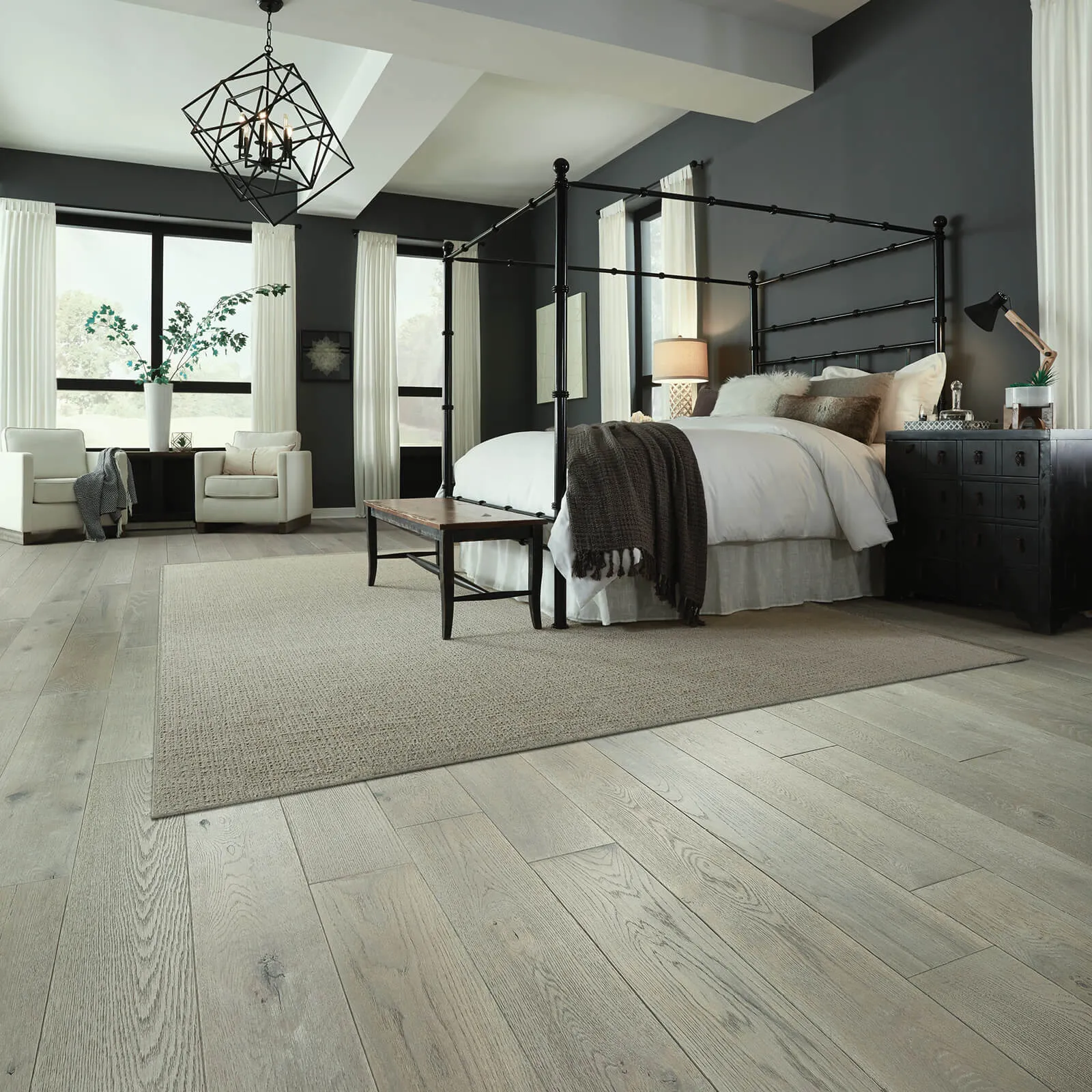
Not every room needs waterproof flooring. Bedrooms and living rooms work well with water-resistant products that may offer other advantages like superior comfort or authentic hardwood appearance. Focus waterproof investments on areas with genuine moisture exposure.
Climate Considerations in Western North Carolina
The Asheville and Hendersonville region’s humidity, seasonal temperature changes, and occasional heavy rain create conditions where waterproof flooring provides real value. Homes built on slabs benefit from waterproof materials that won’t be damaged by moisture vapor transmission.
Testing and Samples
Visit our showroom locations in Asheville or Hendersonville to see and feel waterproof flooring options. Samples help you understand the differences between WPC and SPC cores, compare wear layer quality, and evaluate how realistic the visuals appear in your home’s lighting.
Choosing Waterproof Flooring in Asheville and Hendersonville
For personalized guidance on selecting waterproof flooring for your home, schedule a free consultation with our team. We’ll help you evaluate your rooms’ moisture levels, compare brand options, and develop a flooring plan that protects your investment while creating the look you want. Our 50 years of experience serving Western North Carolina families means we understand the specific challenges your home faces and can recommend solutions that perform well in our climate.