
Waterproof Flooring Guide: Options for Every Room in Your Home
Key Takeaways
- Luxury vinyl plank (LVP) with an SPC or WPC core is the most waterproof flooring material available for residential use
- “Waterproof” and “water-resistant” are not interchangeable the distinction determines how a floor performs in moisture-prone rooms
- Waterproof flooring options include LVP, waterproof laminate, porcelain tile, and sheet vinyl each with different performance profiles and trade-offs
- Installation quality matters as much as material selection sealed joints near moisture sources protect any product’s long-term performance
- Western North Carolina’s mountain climate creates specific humidity and moisture challenges that affect flooring choices here differently than in other regions
Water is the leading cause of residential flooring failure. It warps wood, swells fiberboard, degrades adhesives, and creates conditions for mold and mildew beneath the surface. For rooms where moisture is a regular reality kitchens, bathrooms, laundry rooms, basements choosing flooring with real waterproof credentials isn’t a luxury, it’s smart planning.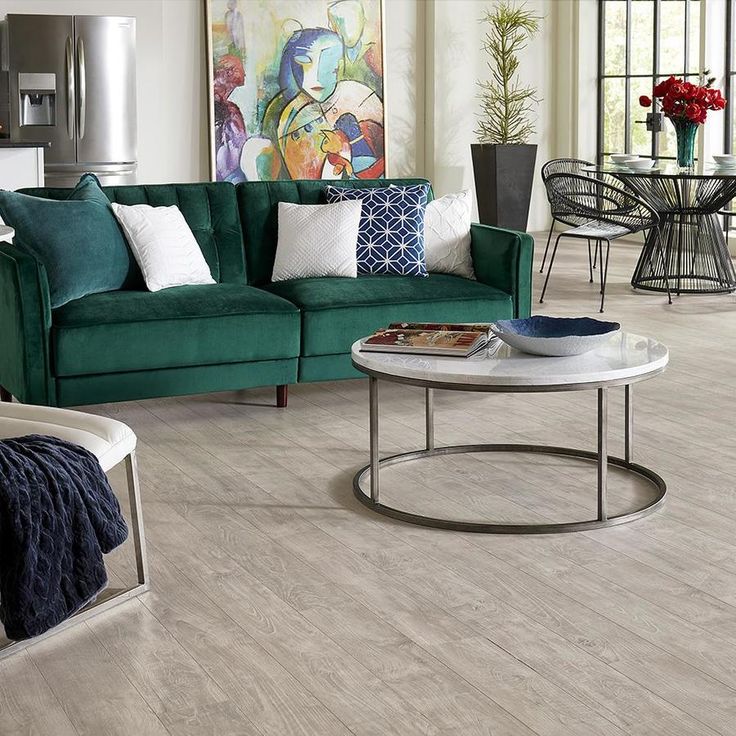
This guide covers every major waterproof flooring option available, what “waterproof” actually means for each material, how performance differs by room, and what to look for when making your decision. If you’re in the Asheville or Hendersonville area and want to see options in person, our team at Leicester Flooring has helped Western North Carolina families navigate these decisions for over 50 years.
What “Waterproof” Actually Means in Flooring
The term “waterproof” gets used loosely in flooring marketing, which creates real confusion for buyers. Here’s the accurate breakdown.
Truly waterproof products have a core construction made from materials that don’t absorb water. Luxury vinyl plank built on a PVC-based SPC (stone-plastic composite) or WPC (wood-plastic composite) core falls into this category the base material simply doesn’t absorb moisture. Porcelain tile with a water absorption rate of less than 0.5% also qualifies under the ASTM standard for waterproof classification.
Waterproof-rated products including the best waterproof laminate lines use moisture-resistant cores and sealed locking joint systems that prevent water infiltration under normal conditions. These perform reliably in kitchen and bathroom environments with proper installation, but they’re engineered resistance rather than inherent imperviousness.
Water-resistant products handle brief, light moisture exposure. A spill wiped up quickly won’t cause damage. But sustained moisture standing water, humidity intrusion through subfloor gaps, or the slow drip of a leaking appliance — can still cause structural damage over time.
Understanding which category your flooring falls into helps you make the right choice for your specific room and moisture exposure. For a deep dive on the technology behind each category, see our detailed waterproof flooring technology guide.
Waterproof Flooring Options: A Room-by-Room Overview
Different rooms have different moisture profiles. The right waterproof flooring for a basement is not necessarily the right choice for a second-floor bathroom. Here’s how the options map to the rooms that need them most.
Kitchens
Kitchens see daily moisture from the sink, dishwasher, and cooking. Spills are frequent. Appliances can leak slowly for long periods before anyone notices. For most kitchens, the best options are:
- LVP with SPC core — the most waterproof choice; handles any reasonable kitchen moisture scenario
- Waterproof laminate — performs well for standard kitchen conditions at a lower price point; requires sealed joints near the dishwasher and sink
Our dedicated guide on waterproof flooring options for kitchens and bathrooms covers these rooms in full detail.
Bathrooms
Bathrooms present more concentrated and sustained moisture than kitchens. Shower splash, humidity from hot water, and the occasional overflow event all affect the floor. For bathrooms:
- LVP (SPC core) — the strongest choice; handles humidity and splash without concern
- Porcelain tile — excellent for bathrooms with proper grout sealing; the traditional choice for good reason
- Waterproof laminate — viable in half-baths and powder rooms with lower humidity levels; use with caution in full bathrooms without excellent ventilation
See our bathroom flooring guide for complete bathroom-specific guidance.
Basements
Basements present a different moisture challenge than kitchens or bathrooms — the moisture often comes from below, through the concrete slab or via ground-level humidity. Standard flooring installed over a damp slab fails regardless of the product’s surface waterproofing credentials. For basements:
- LVP (SPC core) — the top choice; the rigid waterproof core handles subfloor moisture from both above and below
- Waterproof laminate over vapor barrier — works in dry basements with proper moisture management; less appropriate if the slab has any moisture history
- Porcelain tile — excellent for dry basements; requires proper installation over a level slab
The waterproof flooring for basements guide covers subfloor moisture management for below-grade installations.
Laundry Rooms
Laundry rooms combine humidity from dryers, water from washer connections, and the risk of hose or machine failure. LVP with a fully waterproof SPC core is the appropriate choice for a laundry room. Tile is a solid option for homeowners willing to maintain grout sealing.
Entryways and Mudrooms
High-traffic entry areas see tracked-in moisture from rain, snow, and wet shoes. LVP handles this well. Tile is the other traditional choice for mudrooms. Our entryway flooring blog post covers design and material considerations for this space.
The Main Waterproof Flooring Materials Compared
Luxury Vinyl Plank (LVP)
LVP is built on a PVC core, which means the base material is inherently water-resistant at the structural level. This makes it the most waterproof flooring option available in a format that also looks like wood or stone, installs easily, and is comfortable underfoot.
Our luxury vinyl flooring collection carries American-made options from Shaw, Mohawk, and Mannington all of which manufacture LVP products with specific waterproof warranties. The two core types available: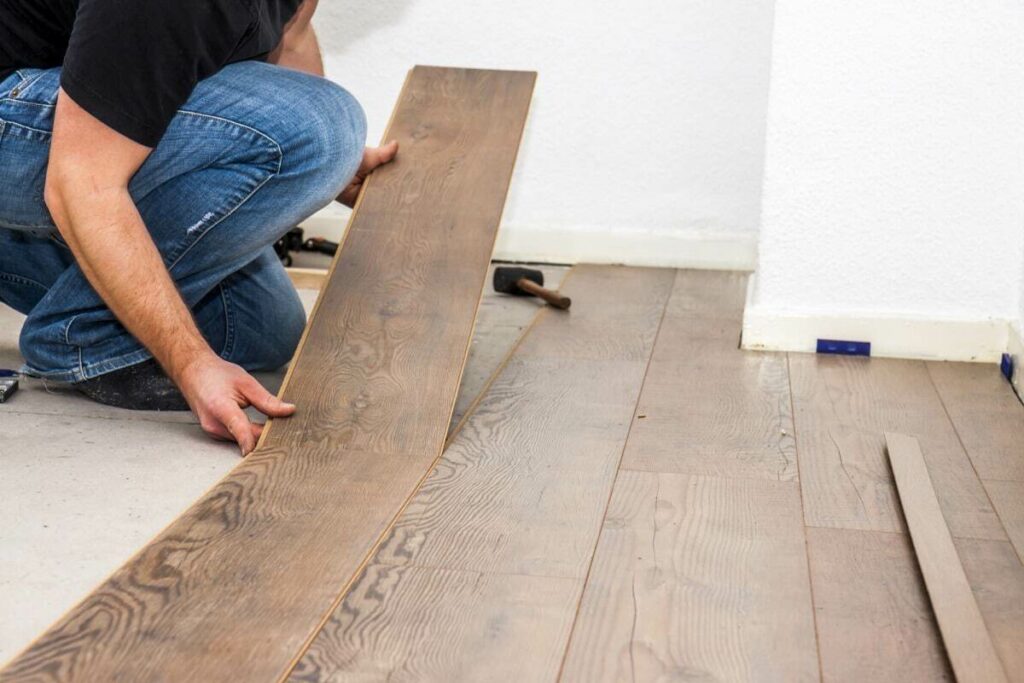
SPC (Stone-Plastic Composite): A rigid, dense core made from limestone powder and PVC. Highly resistant to denting, extremely stable under temperature changes, and the most appropriate choice for below-grade installations and high-moisture environments.
WPC (Wood-Plastic Composite): A slightly more flexible, foamed PVC core that adds cushion underfoot. Warmer and more comfortable than SPC, but slightly less rigid. Still fully waterproof. Better suited to above-grade installations where comfort is a priority.
Both are waterproof. The choice between them is primarily about underfoot feel and installation environment.
Waterproof Laminate
Waterproof laminate has evolved significantly from standard laminate’s well-deserved moisture sensitivity. The best current products including Mohawk RevWood, Shaw’s waterproof laminate lines, and Mannington’s kitchen-rated products combine moisture-resistant HDF cores with sealed locking joints that prevent water infiltration under normal use conditions.
For the most detailed breakdown of how these products work and which brands perform best, see our waterproof laminate flooring guide.
Waterproof laminate’s advantages: realistic wood visuals at lower cost than LVP, scratch-resistant AC-rated surfaces, and broad product variety. Its limitation: it’s engineered resistance, not inherent imperviousness. Proper installation particularly sealed seams near appliances is essential for it to deliver on its waterproof promise.
Porcelain Tile
Porcelain tile carries a water absorption rate of 0.5% or less, making it genuinely impervious to moisture in the tile body itself. The challenge with tile is always the grout unsealed or aging grout allows water to migrate through and beneath the tile surface. Annual grout sealing is the maintenance task that keeps a tile floor truly waterproof over its lifespan.
Browse our tile flooring selection for current ceramic and porcelain options. Our tile installation team handles the proper waterproof installation techniques that make tile floors perform for decades.
Sheet Vinyl
Sheet vinyl installs as a single continuous piece, meaning there are no seams for water to enter. This gives it a theoretical advantage over any click-lock product in terms of moisture intrusion resistance. The practical trade-off is aesthetics — sheet vinyl doesn’t reach the visual quality of premium LVP or tile. It’s a practical choice for utility rooms, laundry rooms, and secondary spaces where appearance is secondary to function.
Waterproof Flooring and Western North Carolina’s Climate
The Asheville and Hendersonville area presents flooring considerations that flat, dry climates don’t. The mountains create:
Significant seasonal humidity variation. Western North Carolina summers bring high humidity often above 70% relative humidity while winters are much drier. This humidity cycling causes flooring to expand and contract seasonally. Proper expansion gaps and, for wood-based products, appropriate acclimation before installation, manage this effectively.
Elevated subfloor moisture in older homes. Many WNC homes have crawl spaces rather than basements. Crawl space moisture migrates upward through the subfloor and affects flooring from below, regardless of the floor surface’s waterproof rating. A vapor barrier in the crawl space, combined with appropriate underlayment selection, addresses this.
Historic home construction challenges. Asheville and the surrounding communities have substantial housing stock built before 1960. Older subfloors may be uneven, have seen previous moisture exposure, or have construction characteristics that affect new flooring installation. Our team’s experience with historic home flooring in Asheville addresses these specific challenges.
Our complete guide to flooring for mountain homes in Western North Carolina covers how to choose and install waterproof flooring in this specific climate context.
Waterproof Flooring Comparison Table
| Material | Core Waterproofing | Comfort Underfoot | Lifespan | Best For |
|---|---|---|---|---|
| LVP (SPC) | Excellent | Good | 15-25 years | Basements, high-moisture kitchens/baths |
| LVP (WPC) | Excellent | Very Good | 15-25 years | Above-grade high-moisture rooms |
| Waterproof Laminate | Very Good | Good | 15-20 years | Kitchens, half-baths, laundry rooms |
| Porcelain Tile | Excellent (tile only) | Poor | 20-30+ years | Bathrooms, kitchens (with grout sealing) |
| Ceramic Tile | Very Good (tile only) | Poor | 15-25 years | Budget tile option for lower-moisture rooms |
| Sheet Vinyl | Excellent (seamless) | Fair | 10-15 years | Utility rooms, budget installations |
Installation: Where Most Waterproofing Failures Happen
The most waterproof product on the market fails if installation creates moisture pathways. This is the part of the waterproofing equation that most product marketing ignores.
Joint sealing near appliances. For floating floor products both LVP and laminate the click-lock joints in the area around the dishwasher, beneath the sink cabinet, and near the refrigerator water line should be sealed with silicone during installation. This one step prevents the most common failure mode for kitchen flooring.
Vapor barriers. In below-grade installations and in homes with crawl spaces, the right vapor barrier beneath the flooring handles the moisture that comes from below. Skipping this step undermines the floor’s waterproof credentials from day one.
Proper subfloor preparation. Standing water and elevated moisture in the subfloor need to be addressed before new flooring goes down. Our waterproof flooring installation guide details every installation step that contributes to long-term waterproof performance.
FAQ: Waterproof Flooring
Is all waterproof flooring truly waterproof?
No. “Waterproof” is used inconsistently in flooring marketing. Products with PVC-based cores (LVP) and porcelain tile are genuinely waterproof at the material level. Waterproof laminate is engineered to resist moisture under normal conditions, which is different from inherent imperviousness. Always review the warranty language a true waterproof warranty covers the core construction against moisture damage, not just the surface.
What is the best waterproof flooring for a bathroom?
LVP with an SPC core is the top choice for full bathrooms where humidity levels are consistently high. Porcelain tile is the classic choice and performs excellently with proper grout maintenance. Waterproof laminate is appropriate for powder rooms and half-baths with lower humidity exposure but carries more risk in full bathrooms with regular shower use.
Can waterproof flooring be installed over concrete?
Yes, and LVP with an SPC core is specifically designed for this. Concrete subfloors require moisture testing before any flooring installation even “waterproof” flooring installed over an actively wet slab will have problems. A concrete moisture barrier is standard practice for most concrete subfloor installations.
Does waterproof flooring prevent mold and mildew?
Waterproof flooring prevents moisture from penetrating the flooring material itself, which reduces one pathway for mold growth. However, mold can still grow beneath a waterproof floor if moisture is present in the subfloor or under the vapor barrier. Addressing subfloor moisture not just surface water resistance is the complete picture for mold prevention.
How long does waterproof flooring last?
Quality LVP carries manufacturer warranties of 15 to 25 years in residential applications. Waterproof laminate typically carries 15 to 20 year warranties. Porcelain tile, properly installed and maintained, can last 30 years or more. Actual lifespan depends on product quality, installation quality, and maintenance.
Is waterproof flooring more expensive than standard flooring?
Waterproof products typically carry a modest premium over non-rated versions in the same product category. For kitchens, bathrooms, and other moisture-prone rooms, this premium is worth it the cost of replacing flooring damaged by moisture far exceeds the cost difference between waterproof and non-waterproof products.
Summary
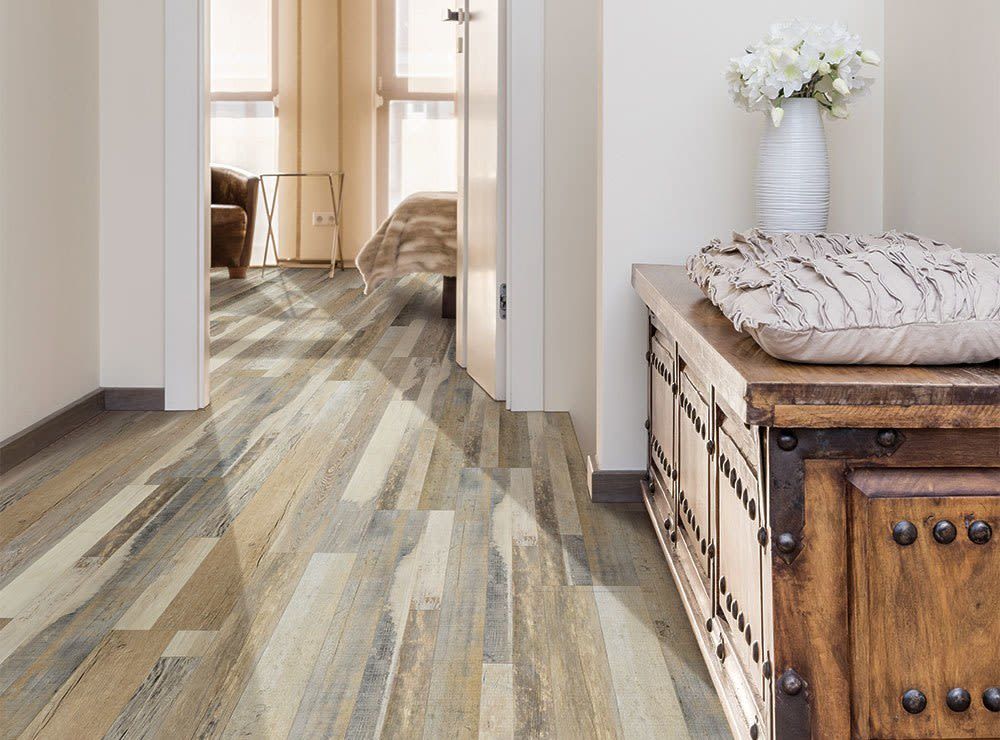
Waterproof flooring gives you confidence in the rooms that work hardest in your home. LVP with a waterproof core is the strongest performer across most applications. Waterproof laminate delivers reliable performance at a better price point for standard moisture conditions. Porcelain tile is unbeatable for certain applications with the right maintenance commitment.
Whatever direction you go, installation quality sealing, vapor barriers, subfloor preparation determines whether the waterproof credentials of your product actually deliver in practice.
Visit our Asheville showroom or Hendersonville location to see waterproof flooring options in person. Or schedule a free in-home measure and our team will assess your specific room conditions and recommend the right material for your situation. Contact us with any questions.