
How to Prepare Your Kitchen for Flooring Installation
Getting ready for the kitchen flooring installation is one of those tasks that looks simple until you realize what actually has to move. The kitchen has more fixed elements than almost any other room, with appliances connected to plumbing and electrical, heavy furniture, pantry items stacked floor to ceiling, and baseboards that need to come off cleanly. A little preparation the day before installation saves everyone time on the actual work day.
We’ve helped thousands of Asheville and Hendersonville homeowners through this process. Here’s exactly what to do.
Start with a Walkthrough Before Installation Day
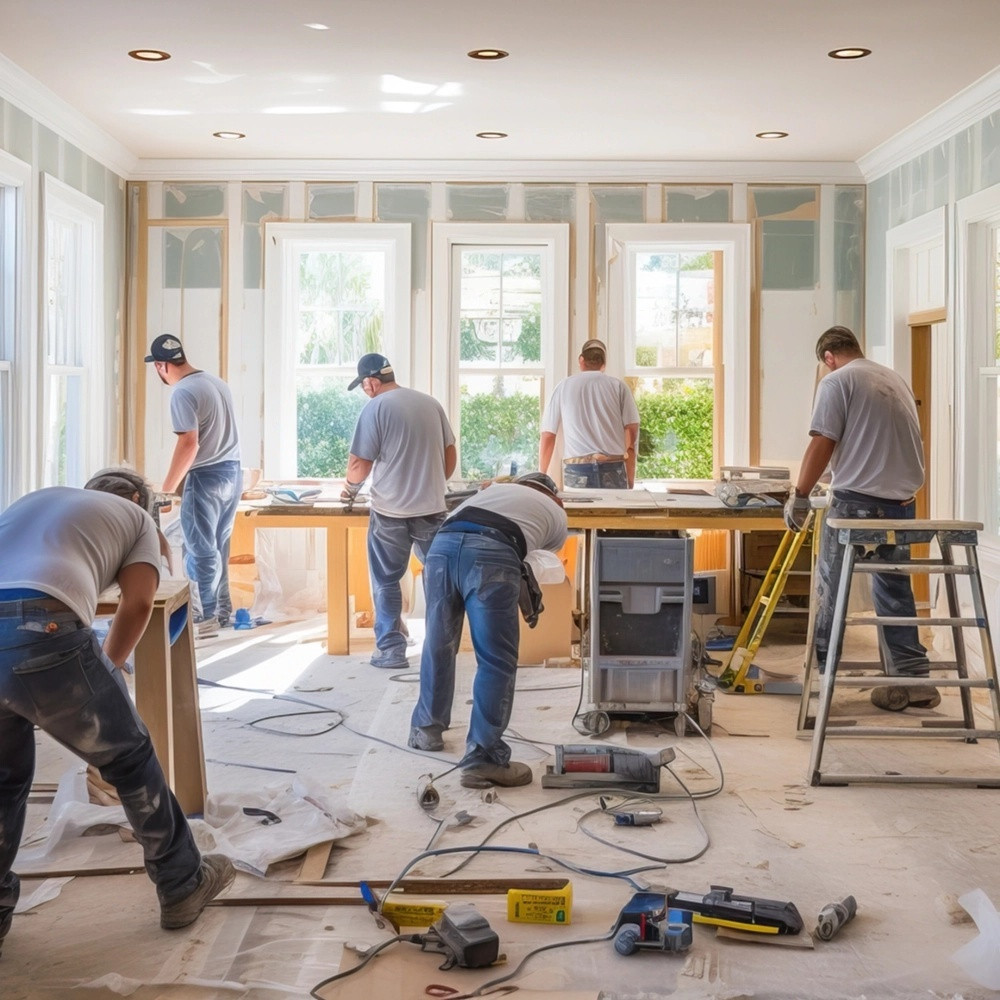
The most useful thing you can do before your kitchen flooring installation crew arrives is walk through the kitchen with fresh eyes. Look at every item on the floor or leaning against a wall. Think about what needs to move, what you can move yourself, and what requires professional help.
Make a mental note of anything unusual: a crack in the existing floor, a soft spot near the dishwasher, a corner where baseboards are already pulling away. These observations help your installer prioritize what to check first. If you’ve had any recent plumbing issues, leaks, or moisture events under the sink, mention those explicitly when you talk to the crew on installation day. Moisture in the subfloor is the number one hidden problem we find during subfloor preparation for kitchen flooring — and knowing about it in advance allows us to address it without a project stoppage.
Clearing the Kitchen: What You Handle vs. What the Crew Handles
For kitchen flooring installation, the division of labor between the homeowner and the crew is usually straightforward.
What you should clear before the crew arrives:
All items from countertops that sit on or near the floor should be moved to another room. Stools and chairs at kitchen islands or breakfast bars need to be relocated. Any freestanding shelving units, small appliances stored on the floor, recycling bins, pet food stations, and kitchen mats all need to come out. Don’t leave anything you’re not comfortable having the crew move around.
Clear the pantry if it’s directly accessible from the kitchen floor area. If the new flooring runs through the pantry threshold, those items need to be out of the way. Pull items out from under the sink if you want them out of the crew’s path, though the crew will work around the under-sink space when handling the dishwasher.
What the installation crew typically handles:
Major appliances, such as refrigerators, stoves, and dishwashers, are usually moved by the installation crew. At Leicester Flooring, our teams handle this as a standard part of the kitchen flooring installation. However, let us know in advance if your refrigerator is unusually large, if your stove is a gas range requiring disconnection, or if your dishwasher is built into an unusual cabinet configuration. These details affect how we plan the day.
For gas range disconnection, a licensed plumber or appliance technician may be required, depending on your local codes. We’ll let you know during the in-home measure if this applies to your situation.
Baseboards and Trim: Should They Come Off First?
This is a question we get regularly. The short answer: yes, baseboards should come off before the kitchen flooring installation in most cases.
Floating-floor products like laminate and LVP require expansion gaps around all vertical surfaces, including walls. Those gaps are hidden by the baseboard when it’s reinstalled after the floor is down. If the baseboard stays in place during installation, the crew has to work around it, the expansion gaps are harder to maintain consistently, and the finished product looks less clean.
Our installation crews remove and reinstall baseboards as part of the process. However, if your kitchen has original millwork, historic trim, or baseboards with intricate detail that you’re concerned about, let us know. We handle vintage homes throughout Asheville’s historic neighborhoods and understand when extra care is needed.
Refrigerator Preparation
Your refrigerator needs more advanced prep than your other appliances. The day before the kitchen flooring installation, empty the refrigerator and freezer of any items you don’t want jostled during the move. You don’t have to empty it entirely, but loose items in the door bins and anything not in a sealed container should come out.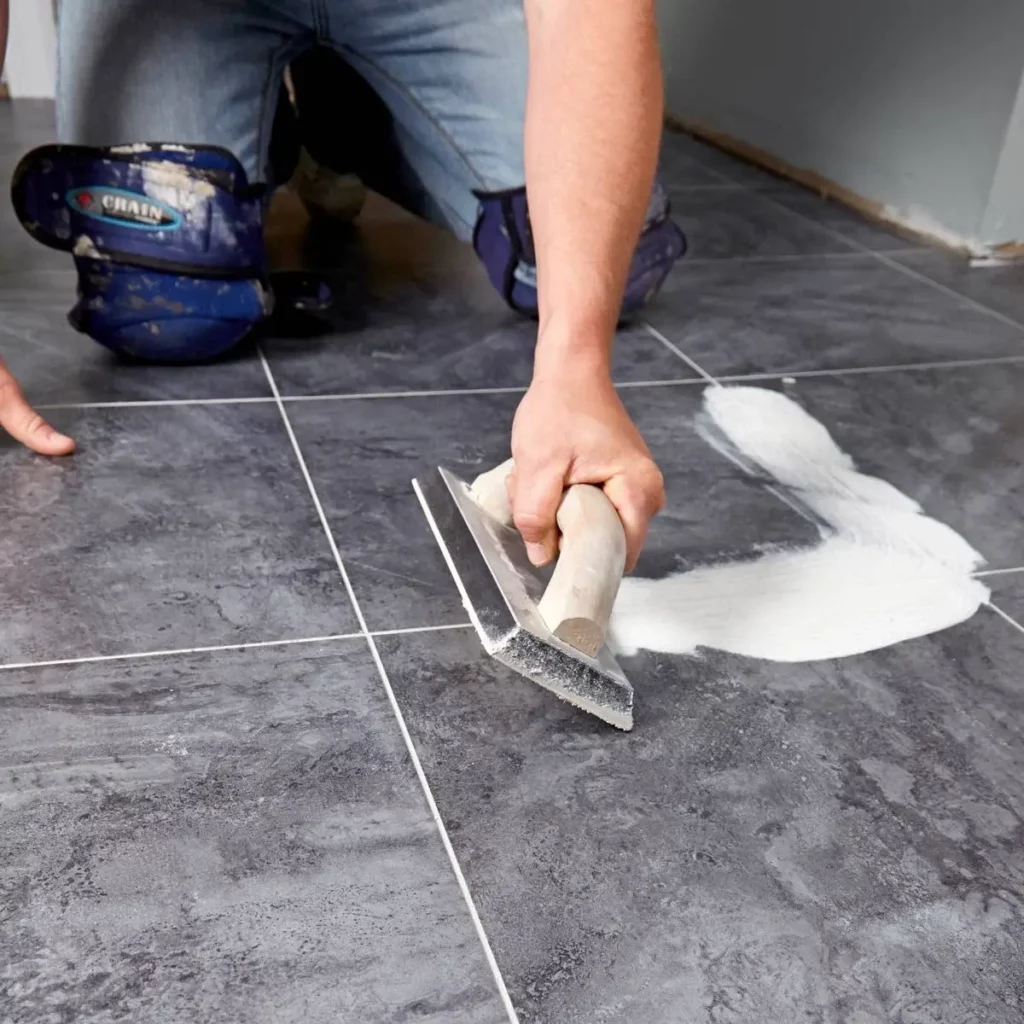
If your refrigerator has a water line for an ice maker or water dispenser, that line must be disconnected before the appliance is moved. Shut off the water supply to the refrigerator at the valve behind or underneath the unit. Know where that valve is before installation day — hunting for it while the crew is standing there waiting wastes everyone’s time.
Defrost the freezer if it has significant ice buildup. Moving a partially defrosted freezer can result in water on your new floor before you’ve had it for 24 hours.
Under-Sink Area
Pull everything out from under the sink. Not just because it makes the space accessible, but because the under-sink area is where plumbing connections run, and if there’s any history of leaks, you may find signs you want to point out to the installer before work begins.
Check the cabinet floor under the sink for any soft spots, discoloration, or moisture damage. If you see swelling in the cabinet base or darkening of the subfloor around the sink drain, mention it explicitly to your crew. This is a common location for subfloor moisture damage that affects the outcomes of kitchen flooring installations.
What to Do the Morning of Installation
By the time your kitchen flooring installation crew arrives in the morning, the kitchen should be completely cleared of loose items. Appliances don’t need to be moved yet—the crew handles that. But the counters should be clear enough that the crew can put protective coverings down without moving things around first.
Make sure the crew has clear access to the kitchen from your home. Move anything in the hallway or adjacent rooms that might be in the path of equipment, material boards, or appliance movement. Hardwood floors in adjacent rooms should have protective floor runners—ask us if you want us to bring them.
Know where your main water shutoff is. In the unlikely event of a plumbing issue during installation, you want to be able to act immediately.
Kids and Pets During Installation
Kitchen flooring installation creates a busy work environment with power tools, adhesives, and heavy materials moving through the space. Kids and pets should be kept out of the kitchen and adjacent work areas for the duration of the installation day. This is a safety issue, not just a convenience request.
If you have dogs that are typically confined to the kitchen, make arrangements in advance for where they’ll stay. Same for cats that like to supervise home improvement projects from close range.
After Installation: What to Expect Before Walking on the Floor
Different flooring materials have different wait times before full use.
Floating floors like laminate and LVP can generally be walked on within a few hours of installation, though we recommend waiting 24 hours before moving furniture back in. This gives the floor time to settle and for any adhesive caulk at transitions to cure.
Tile floors installed with thinset mortar require a longer cure time before grouting, and then additional cure time before the floor should bear full weight. Your installer will give you the specific timeline for your installation, but plan for 24 to 48 hours before the kitchen is back in full use.
After professional kitchen flooring installation, follow the care guidelines for your specific material. How to clean and maintain kitchen floors covers the daily and weekly routines that keep your new floor looking its best.
Summary

Preparing your kitchen flooring installation is mostly about clearing the space, communicating clearly with your installation crew, and planning for a day without kitchen access. The key steps are removing loose items and furniture, emptying and defrosting the refrigerator, disconnecting the water line to the fridge, noting any moisture or subfloor concerns to share with the crew, and keeping kids and pets out of the work area. Homeowners who prepare well end up with smoother installation days and better results. To schedule your installation, contact Leicester Flooring or schedule your free in-home measure.
Frequently Asked Questions
How early should I start preparing for my kitchen flooring installation?
Begin at least the day before. Clear countertops and removable items the night before. On the morning of installation, the kitchen should be ready for the crew to start immediately, without waiting for prep.
Do I have to remove my dishwasher before the flooring crew arrives?
No. The installation crew handles dishwasher removal and reinstallation during the kitchen flooring installation. Just make sure the area is clear of under-sink items.
What happens if the crew discovers subfloor damage during installation?
We stop, assess the damage, and discuss options with you before proceeding. Minor repairs can often be handled the same day. Significant moisture damage or structural issues may require a separate repair visit. We’d rather delay and fix it correctly than cover up a problem.
What should I do with my pets during kitchen flooring installation?
Keep pets out of the work area and adjacent spaces throughout the installation day. The combination of power tools, open materials, and unfamiliar workers can be stressful for animals and create safety risks.