
How to Remove Pet Stains and Odors from LVP Flooring
Key Takeaways
- Enzyme-based cleaners are the only type that fully neutralize pet urine odor on LVP flooring
- Standard floor cleaners mask odor temporarily but don’t break down the urine proteins causing it
- Fresh accidents clean up in minutes; dried or old accidents require more patience and repeated treatment
- LVP is one of the best flooring choices for pet households because it doesn’t absorb urine the way carpet or hardwood does
- Check plank seams after any accident that sat for more than a few minutes
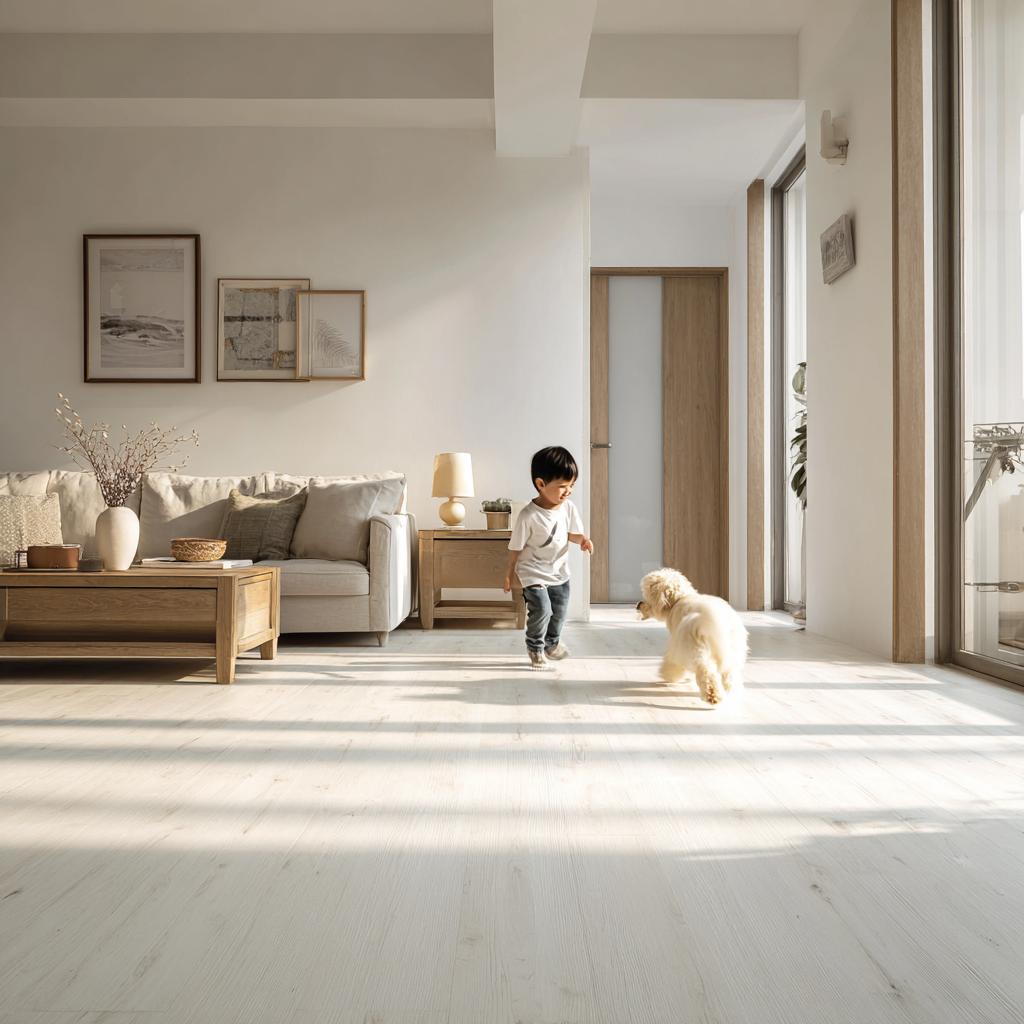
Pets are part of the family. Accidents happen. The good news is that luxury vinyl plank flooring is genuinely one of the best surfaces for pet households, not because accidents don’t matter, but because LVP handles them far more gracefully than carpet, hardwood, or laminate. The wear layer is non-porous, which means urine sits on the surface rather than soaking into the material immediately.
That said, there’s a right way and a wrong way to clean pet accidents on LVP. The wrong way leaves an odor that seems to disappear and then comes back. The right way eliminates it completely the first time.
Why Odor Persists After Cleaning
This is the question most pet owners run into: the floor looks clean, but the smell is still there. Sometimes it shows up strongly again after rain or high humidity.
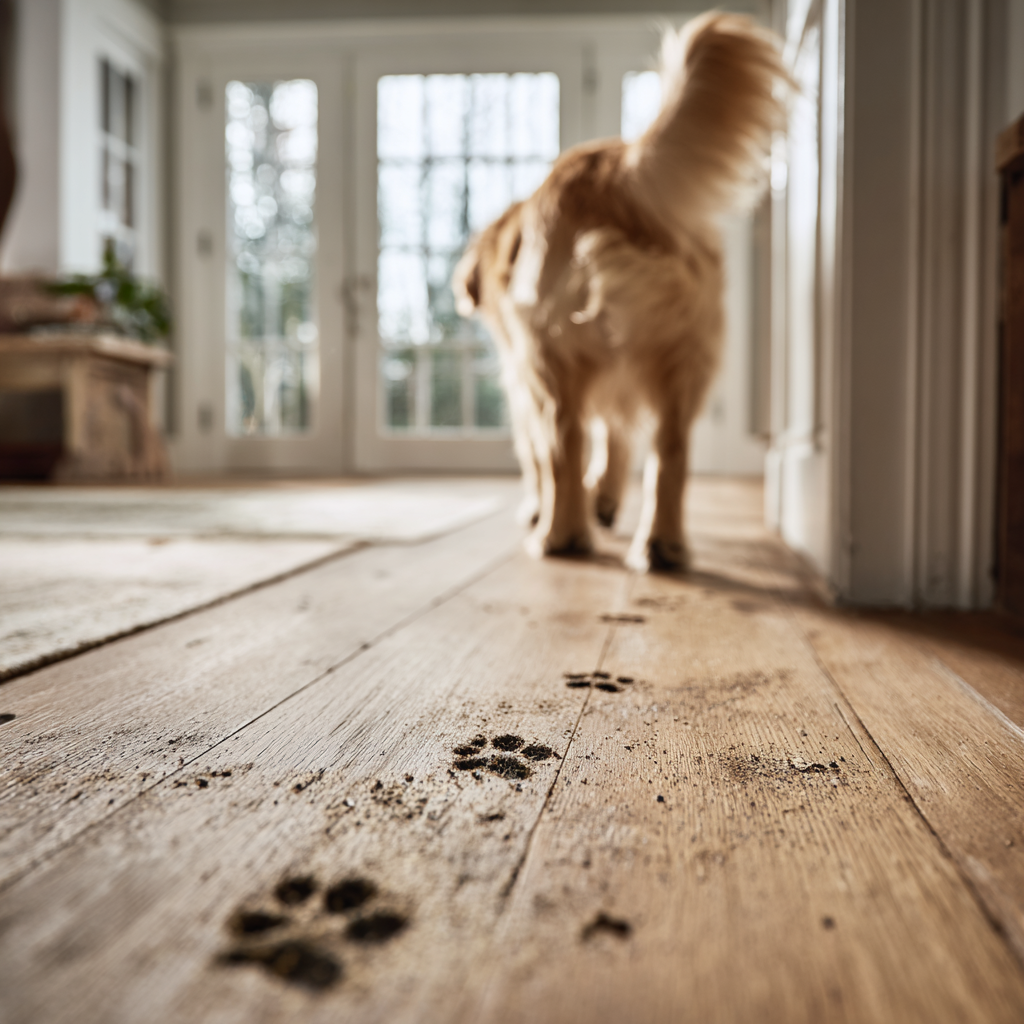
The reason is urine chemistry. Pet urine contains urea, uric acid, bacteria, and urochrome (the pigment that causes staining). Standard floor cleaners, even good ones like Shaw R2X and Bona, are formulated to clean the surface. They don’t break down uric acid crystals, the component responsible for persistent odor.
Uric acid crystals are insoluble in water. They bond to surfaces and re-activate in warm, humid conditions, which is why odor seems to return on warm days or after mopping. The only way to eliminate them is with an enzyme-based cleaner, which uses biological enzymes that literally digest the uric acid compounds.
This is also why masking with scented sprays or general-purpose cleaners doesn’t solve the problem. It covers the odor briefly. The crystals remain.
For homes with multiple pets or frequent accidents, this chemistry is worth understanding deeply. Our room-by-room pet-friendly flooring guide covers more on how LVP compares to other flooring types in terms of odor management across different spaces.
Cleaning a Fresh Pet Accident: Step-by-Step
Act fast. LVP doesn’t absorb liquid immediately, but within several minutes urine can start working into click-lock seams between planks.
What you need:
- Clean dry cloths or paper towels
- Enzyme-based pet cleaner rated safe for vinyl or hard surface flooring
- A fresh damp microfiber cloth
- Approved LVP cleaner for the final wipe
The process:
- Remove solid waste first if applicable. Use paper towels or a disposable cloth, folding the material inward rather than swiping across the floor.
- Blot the liquid. Place a clean dry cloth over the wet area and apply firm pressure. Don’t rub or scrub. Lift, reposition to a dry section, press again. Repeat until you’ve absorbed as much as the cloth will pull up.
- Apply the enzyme cleaner. Spray or pour the enzyme cleaner directly onto the affected area. Cover the stain and extend about an inch beyond the edges. Read the product label for the required contact time, usually five to fifteen minutes. Do not wipe it up early; the enzymes need time to work.
- Wipe up the enzyme cleaner. Use a clean damp cloth to remove the product and any remaining residue.
- Final clean. Mop the area with your approved LVP cleaner and allow it to dry completely.
- Inspect the seams. Run your finger along the plank joints nearest the accident site. If they feel even and firm, you’re in good shape. Soft or raised edges may indicate some moisture worked underneath and should be monitored over the next 24 to 48 hours.
Cleaning an Old or Dried Pet Accident
Old accidents present more of a challenge, especially if you’re dealing with an area where accidents happened repeatedly before you knew they were happening, common in homes with aging pets or when you first adopt an animal.
For dried urine stains:
- Dampen the area with warm water to rehydrate the dried residue.
- Apply a heavy application of enzyme cleaner. Because the uric acid crystals have bonded more thoroughly to the surface (and possibly into seam edges), you may need to apply the cleaner, let it sit, blot it up, and repeat two or three times.
- For stubborn staining or discoloration, a small amount of 3% hydrogen peroxide on a cloth applied gently to the stain can help lift pigment after the enzyme cleaner has done its work.
- Clean with approved LVP cleaner and dry thoroughly.
For persistent odor in a known accident zone:
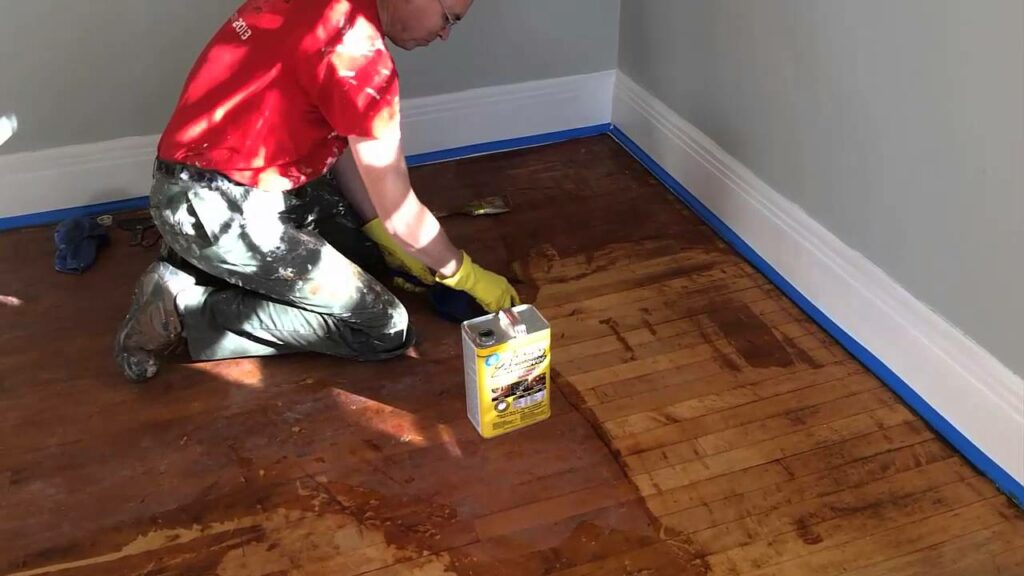
If a particular area of your floor still has detectable odor despite cleaning, the issue may be in the subfloor beneath the LVP rather than on the surface. This can happen when accidents weren’t noticed and liquid worked down through seams repeatedly. In that case, surface cleaning won’t fully resolve the smell. The planks in that area may need to be temporarily removed to treat the subfloor.
This is more common with carpet-to-LVP renovations where old carpet had absorbed significant pet urine over years and the subfloor beneath was affected before the new floor was installed. If you’re replacing flooring and suspect subfloor contamination, address it before installing new LVP.
Enzyme Cleaners: What to Look For
Not all enzyme cleaners are created equal, and not all are safe for LVP surfaces. When choosing a product, look for:
- Labeled as safe for hard floors, vinyl, or resilient flooring
- Enzyme-based formula (look for terms like “enzymatic,” “bio-enzymatic,” or specific enzyme types like protease, amylase, or lipase)
- No bleach, ammonia, or harsh solvents
- Pet-safe formula if animals will be on the floor during or after application
Popular options that meet these criteria include Rocco and Roxie Professional Strength Stain and Odor Eliminator, Nature’s Miracle Hard Floor Cleaner, and Zymox Enzymatic Cleanser. Always check that the specific product you purchase is labeled for hard surface use.
Handling Multiple Pets or Frequent Accidents
Households with multiple pets, senior pets with incontinence issues, or puppies/kittens in training deal with a higher volume of accidents. A few strategies help manage this:
Identify accident patterns. Pets often return to areas where they’ve previously had accidents, sometimes because residual scent signals to them that it’s an appropriate spot. Thoroughly eliminating odor with enzyme cleaner removes this signal.
Area rugs in high-risk zones. Washable area rugs in areas where accidents frequently happen provide a sacrificial surface that’s easier to clean than the floor itself. Use LVP-safe rug pads beneath them. Our post on safeguarding floors from pets has more on this approach.
Keep enzyme cleaner accessible. Storing a bottle in a cabinet near the most common accident zone means you can respond immediately without going to hunt for supplies.
What About Vomit and Feces?
Vomit and feces both clean from LVP using the same general approach as urine, with a few differences.
Solid waste: Remove with paper towels or a disposable tool, lifting rather than dragging. Enzyme cleaner handles the residue and any odor. For pet vomit, the acidity can be slightly higher than urine, so follow up with an approved LVP cleaner to neutralize any residue.
Persistent odor: If odor remains after standard cleaning, enzyme cleaner applied again and allowed full contact time usually resolves it.
Why LVP Is the Smart Choice for Pet Owners
Compared to the alternatives, luxury vinyl plank comes out ahead for pet households in almost every category. Carpet holds urine in fibers and padding, making complete odor removal genuinely difficult and sometimes impossible without professional cleaning. Hardwood can absorb urine if not caught immediately, and repeated accidents cause permanent staining and warping. Laminate’s joints are less sealed than LVP and more vulnerable to moisture intrusion.
LVP’s non-porous surface means that with fast action, accidents clean up without leaving any lasting trace. The advantages of luxury vinyl flooring go well beyond pet situations, but this one quality makes an enormous difference in daily life for pet owners.
COREtec, one of the brands available at our Asheville and Hendersonville showrooms, specifically markets its waterproof, pet-proof construction as a core feature. For households with active pets, it’s worth asking about products designed with this in mind when you’re selecting new flooring.
Key Takeaways: Bottom Summary
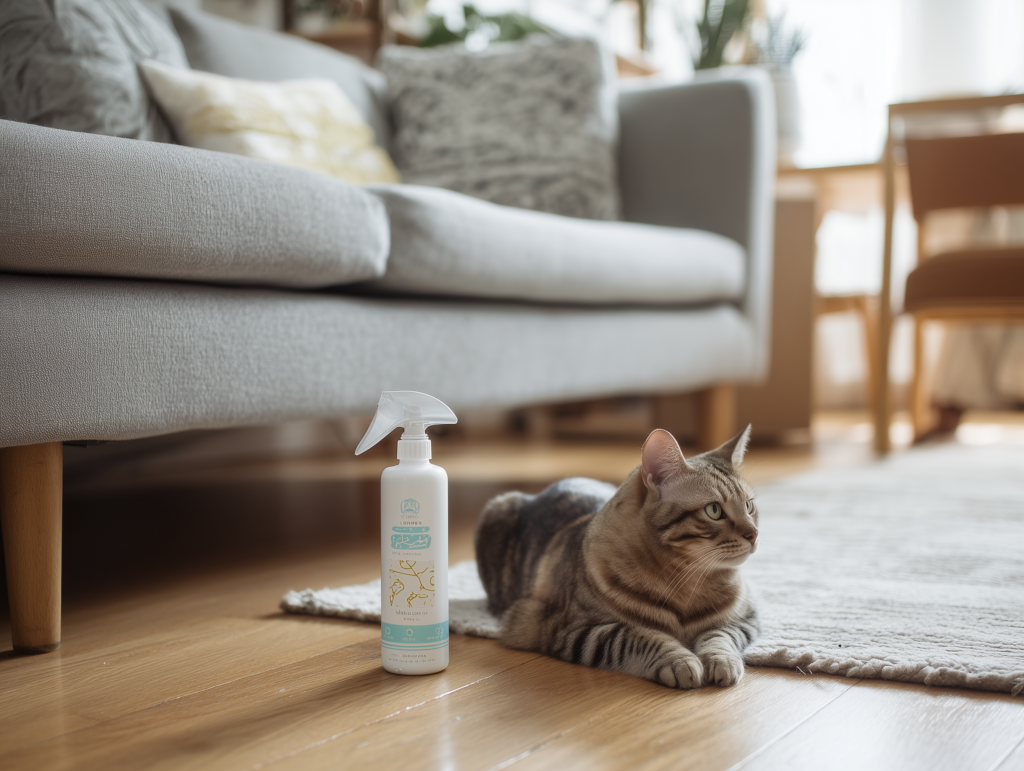
Pet stain and odor removal on LVP requires enzyme-based cleaners, not standard floor cleaners. Act quickly, blot rather than rub, apply enzyme cleaner and allow it full contact time, then follow up with your approved LVP cleaner. Old or dried stains require repeated enzyme treatment and may need attention to subfloor odor if the problem is long-standing. LVP remains one of the most pet-friendly flooring options available, but proper cleanup technique is what separates a floor that stays fresh from one that develops chronic odor. If you have questions about which LVP brands are best suited for pet households, contact our team at Leicester Flooring.
Frequently Asked Questions
How long does it take for pet odor to go away after cleaning LVP?
With a proper enzyme cleaner applied correctly, odor should be undetectable within a few hours of the cleaning drying. If odor persists after 24 hours, reapply the enzyme cleaner and extend the contact time. Multiple applications are sometimes needed for older accidents.
Will pet urine damage LVP flooring permanently?
Not usually, if cleaned promptly. LVP’s non-porous surface prevents immediate absorption. Urine that sits for extended periods or that repeatedly seeps into seams can eventually cause edge swelling and subfloor odor issues, but a single accident cleaned within a reasonable time frame leaves no lasting damage.
Can I use Nature’s Miracle on LVP floors?
Nature’s Miracle makes several products. Their Hard Floor Cleaner and some of their enzymatic formulas are labeled as safe for hard surfaces including vinyl. Check that the specific product you’re using is rated for hard floors and does not contain bleach or ammonia.
My dog keeps going in the same spot. How do I stop it?
Enzyme cleaner is the key. Dogs return to areas where they detect the odor of previous accidents. Fully eliminating the scent with an enzyme cleaner, not just covering it with a scented spray, removes the signal that tells your dog it’s an acceptable spot. Apply enzyme cleaner thoroughly, allow full contact time, and clean completely.
Can pet accidents damage the subfloor under LVP?
Yes, if accidents are not cleaned promptly and liquid repeatedly works through plank seams over time, the subfloor can absorb urine and develop its own odor. If surface cleaning doesn’t resolve the smell, the issue may be in the subfloor, which requires removing the planks in that area to treat directly.