
SPC vs WPC vs Rigid Core: Which Waterproof LVP Construction Fits Your Home
Last Updated: May 2026
 Key Takeaways
 Key Takeaways
- SPC is the most popular construction today because it handles uneven subfloors and resists denting.
- WPC trades a little durability for noticeably better feel underfoot and slightly warmer surface.
- Rigid core is a marketing umbrella that often means SPC with a manufacturer’s branding.
- The right construction depends on your subfloor, your feet, and your household, not on which is technically newest.
Walk into a flooring showroom and you will see waterproof LVP labeled three different ways: SPC, WPC, and rigid core. The labels sound technical and a little intimidating, but the differences come down to what is mixed into the core of the plank and how that affects performance underfoot. After 50 years of installing all three across Asheville and Hendersonville, here is the honest breakdown of which construction fits which home.
This article fits inside our waterproof LVP buyer’s guide for the broader category overview. If you are still deciding between LVP and laminate as a category, work back through our LVP vs laminate decision guide first.
What the Acronyms Actually Mean
Every waterproof LVP plank is built around a core layer that gives the plank its rigidity, weight, and dent resistance. The three main core types differ in what fills that center layer.
SPC (Stone Polymer Composite)
SPC cores combine PVC with crushed limestone, often in roughly equal parts. The result is a plank that is dense, rigid, and very dimensionally stable. SPC does not expand or contract much with seasonal humidity, which matters in Western North Carolina where indoor humidity swings 40 percent or more between summer and winter.
WPC (Wood Polymer Composite)
WPC cores combine PVC with wood fiber and a foaming agent. The result is a lighter, slightly thicker plank with more give underfoot. WPC tends to feel warmer than SPC because the air pockets in the foamed core slow heat transfer.
Rigid Core
Rigid core is not a separate technical category. It is a marketing term that most manufacturers use to describe their version of SPC, sometimes with proprietary modifications. When you see rigid core on a box, ask the salesperson whether the core is stone-based or wood-based. The answer tells you whether you are buying SPC or WPC under a different name.
Side-by-Side Comparison
| Factor | SPC | WPC | Rigid Core |
|---|---|---|---|
| Core material | PVC + limestone | PVC + wood fiber | Usually SPC variant |
| Density | Highest | Moderate | Varies |
| Dent resistance | Best | Good | Varies |
| Feel underfoot | Firmer | Softer, warmer | Varies |
| Sound damping | Lower without pad | Higher | Varies |
| Subfloor forgiveness | Best | Moderate | Varies |
| Plank thickness | 4-7 mm typical | 5.5-8 mm typical | 4-8 mm typical |
| Best room | Kitchens, baths, basements | Bedrooms, living rooms | Depends on actual core |
Where SPC Construction Wins
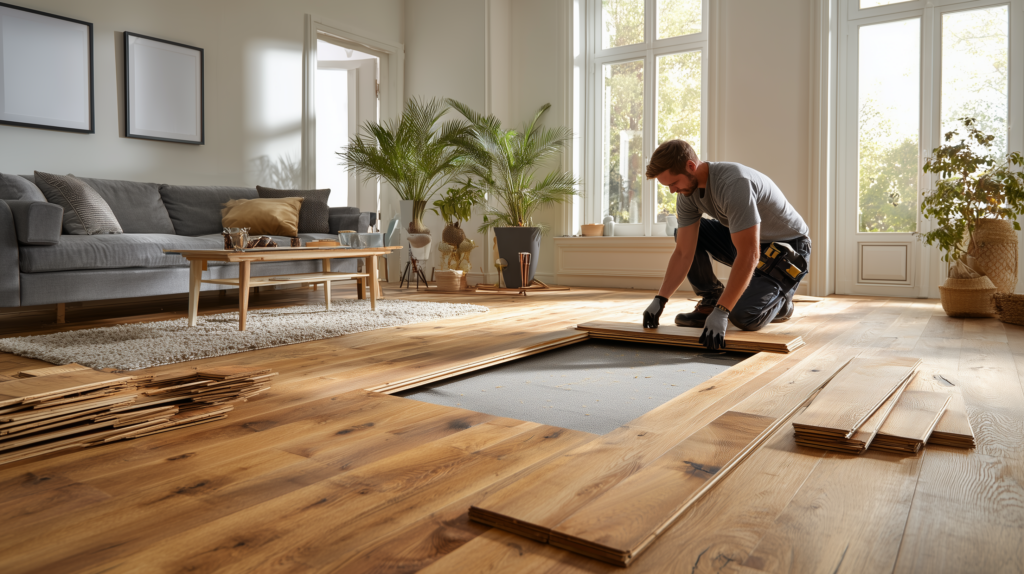
SPC has become the default choice for most modern installs in Asheville-area homes for a few practical reasons.
Uneven Subfloors
Older homes in Montford, West Asheville, and historic Hendersonville often have plank subfloors that have settled over decades. SPC’s rigidity bridges minor unevenness without telegraphing the imperfections to the surface. Our subfloor preparation guide covers what counts as minor and what needs leveling compound.
Dent Resistance
The limestone in SPC cores absorbs impact better than wood-fiber cores. Drop a cast-iron pan or set a piano leg on SPC and the plank flexes back. Drop the same pan on WPC and the impression often stays.
Dimensional Stability
SPC barely moves with humidity changes, which makes it ideal for Western North Carolina’s seasonal swings. Floors installed in summer stay tight in winter and vice versa. Older WPC products had real expansion problems in some climates; modern WPC is better but still moves more than SPC.
Concrete Slabs
For slab construction in Mills River, Fletcher, and newer Hendersonville neighborhoods, SPC is the natural fit. The rigidity handles slight slab unevenness, and the dimensional stability means the floor will not shift if the slab moves over time.
Where WPC Construction Wins
WPC sounds like the older technology because it is, but that does not make it inferior. WPC still has clear advantages in specific use cases.
Comfort Underfoot
This is the big one. WPC feels noticeably softer than SPC when you walk on it barefoot or stand for long periods. If your kitchen is also where you cook for hours, the WPC core is easier on knees and hips.
Warmth
The foamed core in WPC slows heat transfer from the subfloor, which means the surface feels warmer in winter. In older Asheville homes with poor crawl space insulation, this difference is noticeable on cold mornings.
Sound Damping
WPC’s softer core absorbs foot impact and reduces the click-clack sound that hard-soled shoes make on rigid floors. This matters in upstairs rooms, condo units, and homes where sound transmission to lower floors is a concern.
Bedroom and Living Room Use
For dry rooms where the priority is comfort rather than impact resistance, WPC is often the better choice even though SPC gets more marketing attention.
Plank Thickness and What It Tells You
Plank thickness is one of the easier specs to understand. Thicker planks feel more substantial, click together more securely, and tolerate slightly more subfloor unevenness.
| Thickness | Typical Construction | Use Case |
|---|---|---|
| 4 mm | Thin SPC | Light residential, budget tier |
| 5 mm | Mid-grade SPC | Standard residential |
| 5.5-6 mm | Premium SPC or WPC | Quality residential, kitchens |
| 7-8 mm | High-end WPC or thick SPC | Premium installs, sound matters |
Going thicker than 6 mm rarely changes daily performance for residential use. It is mostly a feel and warranty difference.
Wear Layer vs Core: Why Both Matter
The core construction (SPC vs WPC) determines how the plank handles structural stress. The wear layer determines how the surface looks in 10 years. They are independent specs, and you can find good and bad combinations of both.
A premium SPC plank with a 6-mil wear layer will scratch faster than a mid-grade WPC plank with a 20-mil wear layer. Do not assume that SPC means premium across all dimensions. Read both numbers.
For a deeper look at wear layers specifically, our next article in this silo covers the LVP wear layer thickness guide in detail.
Pet, Kid, and Lifestyle Considerations
Households With Large Dogs
SPC handles dropped objects and dog claws better in the immediate term, but the wear layer matters more than the core for long-term scratch resistance. A 20-mil SPC product is the right answer for most pet households.
Multi-Story Townhomes and Condos
WPC’s better sound damping makes it a better neighbor in shared-wall and shared-ceiling buildings. If your downstairs neighbor will hear your footsteps regardless of construction, WPC at least softens the sound.
Kitchens Where You Stand for Hours
WPC wins on standing comfort. The slight give absorbs joint impact better than rigid SPC. Some cooking-focused homeowners install WPC in the kitchen and SPC everywhere else for this reason.
Vacation Rental Properties
SPC with a 28-mil wear layer is the standard for short-term rentals across Asheville. The dimensional stability handles unfamiliar guests cranking the thermostat in both directions, and the rigid core resists rolling luggage damage. Our vacation rental flooring guide covers the full set of choices for short-term rental properties.
Brand Approaches by Construction

Different manufacturers have leaned into different cores over the years.
COREtec
COREtec invented the WPC category and remains the strongest WPC-focused brand. Their newer lines also include SPC products, but the brand identity is still rooted in WPC comfort. The COREtec versus other luxury vinyl comparison covers where the original inventor still leads.
Shaw Floors
Shaw makes both SPC and WPC products across a wide price range. Their SPC lines compete on durability and cost. Their WPC lines compete on comfort and design.
Mohawk
Mohawk emphasizes pet-friendly waterproof products, including their SolidTech rigid core line. Most of their current offerings are SPC variants under various brand names.
Mannington
Mannington focuses on visual realism and design depth. Construction choice varies by collection, with both SPC and WPC available.
Armstrong
Armstrong offers value-tier waterproof options, mostly SPC, for budget-conscious renovations.
Installation Differences
All three constructions install as floating click-lock floors in most residential applications. The differences are subtle but worth knowing.
SPC Installation
- More forgiving on uneven subfloors (bridges minor dips up to 3/16 inch over 10 feet)
- Cuts cleanly with a score-and-snap technique or a basic miter saw
- Heavier than WPC, which can mean more fatigue on a long install day
- Less expansion at perimeter, but expansion gap still required
WPC Installation
- Tighter subfloor flatness requirements
- Cuts cleanly with the same tools
- Lighter and easier to handle on long install days
- Slightly more expansion movement, so expansion gap is critical
Our LVP installation overview covers what we check before starting any waterproof LVP install.
Common Misconceptions
“SPC is always better than WPC”
False. SPC wins on durability and dimensional stability. WPC wins on comfort and sound. Neither is universally superior. Match the construction to the room.
“Rigid core is its own category”
Mostly false. Rigid core is a marketing term that usually describes SPC under a manufacturer’s branding. Ask what the core actually contains.
“Thicker planks are always better”
False above 6 mm for residential use. Thickness past that point is mostly about feel and warranty terms.
“WPC is outdated”
False. WPC is older but still produces the most comfortable underfoot feel in the LVP category. New WPC products have closed most of the dimensional stability gap with SPC.
Frequently Asked Questions
What is the difference between SPC and WPC?
SPC has a stone-based core (limestone) that makes the plank rigid and dent-resistant. WPC has a wood-fiber-based core that makes the plank softer underfoot and slightly warmer. Both are waterproof. Both work in residential homes.
Which is better for a kitchen, SPC or WPC?
SPC is more popular for kitchens because of the durability and dent resistance. WPC works in kitchens too and feels better if you stand at the counter for long periods. Pick based on whether durability or comfort matters more.
Can I install SPC over uneven subfloors?
SPC handles minor unevenness up to about 3/16 inch over 10 feet without telegraphing the imperfection. Larger unevenness still requires leveling compound. The subfloor preparation guide covers what each subfloor type needs.
Is rigid core the same as SPC?
Usually yes. Rigid core is a marketing term that most manufacturers use to describe their version of SPC, sometimes with proprietary modifications. Always ask what the actual core composition is.
Does WPC last as long as SPC?
In residential use, both last 15 to 25 years with the right wear layer. Lifespan depends on wear layer thickness, not core type. A 20-mil WPC outlasts a 6-mil SPC.
Which is more sustainable?
WPC uses wood fiber, which is a renewable resource. SPC uses limestone, which is a natural mineral but mined. Neither is dramatically greener than the other. Both rely on PVC, which is the bigger sustainability question for the LVP category as a whole.
Will I notice the difference between SPC and WPC?
Yes, especially barefoot. SPC feels firmer and slightly cooler. WPC feels softer and warmer. The difference is subtle but consistent. Visit a showroom and stand on samples of each for two minutes to feel it for yourself.
Summary
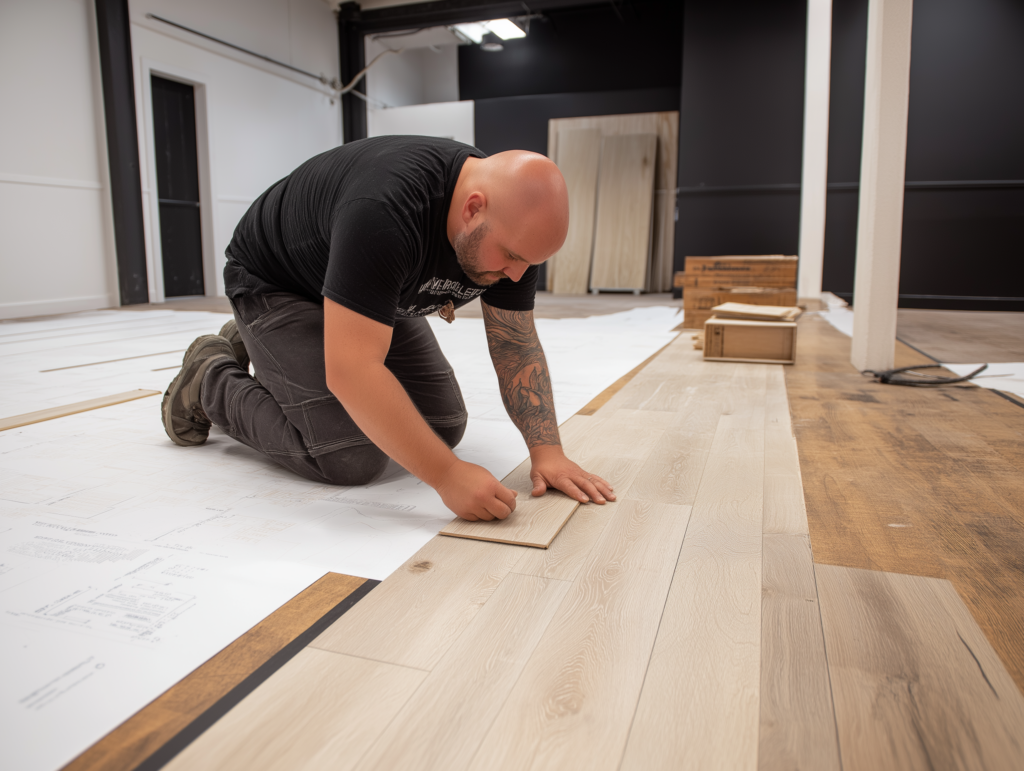
Pick SPC for kitchens, baths, basements, entries, and any room where dent resistance and dimensional stability matter most. Pick WPC for bedrooms, living rooms, upstairs spaces, and any room where comfort underfoot and sound damping matter most. Pick rigid core only after you confirm what is actually inside the core because the term is marketing, not technical.
The construction is one piece of the puzzle. Wear layer thickness, plank size, and install quality all matter as much or more. Visit our Asheville showroom or Hendersonville location to feel the difference between SPC and WPC samples side by side, or request a free in-home measure and we will bring samples to your space.